





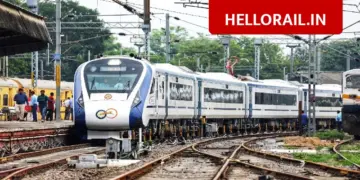
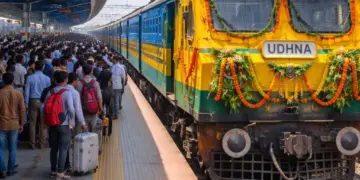




Indian Railways has approved the installation of an automatic signaling system between the Indore-Ujjain and Nagda-Bhopal sections. This project is a key part of the infrastructure preparations for the Simhastha-2028 event. The new technology aims to make train movement safer and faster on these busy routes, significantly reducing the travel time for daily passengers and pilgrims.
How will the automatic signaling system benefit passengers
The automatic block signaling system works by dividing the railway track into smaller sections or blocks. This allows more than one train to run on the same line while maintaining a safe distance from each other. Because the system is automated, it reduces the risk of human error and prevents trains from waiting at outer signals for long periods. Passengers can expect more punctual train services and a smoother journey between Indore, Ujjain, and Bhopal.
Key projects and infrastructure updates for Simhastha 2028
Western Railway is fast-tracking several projects to handle the expected rush during the 2028 Simhastha. Along with the signaling upgrades, several other improvements are being made to the regional rail network.
- Tender process for the signaling work on Indore-Ujjain and Nagda-Bhopal routes will start soon.
- A new 13.70 km rail bypass line is being built at Nagda at a cost of 390.36 crore to save engine reversal time.
- Modernization and redevelopment of Indore and Ujjain stations are currently underway.
- The Ratlam-Nagda section has already shifted to automatic signaling to support speeds up to 160 kmph.
- Small stations like Vikram Nagar and Chintaman Ganesh will also see development to manage local traffic.
According to railway officials, these upgrades are necessary to increase the line capacity. Once the work is complete, the frequency of trains can be increased without compromising safety standards.