

























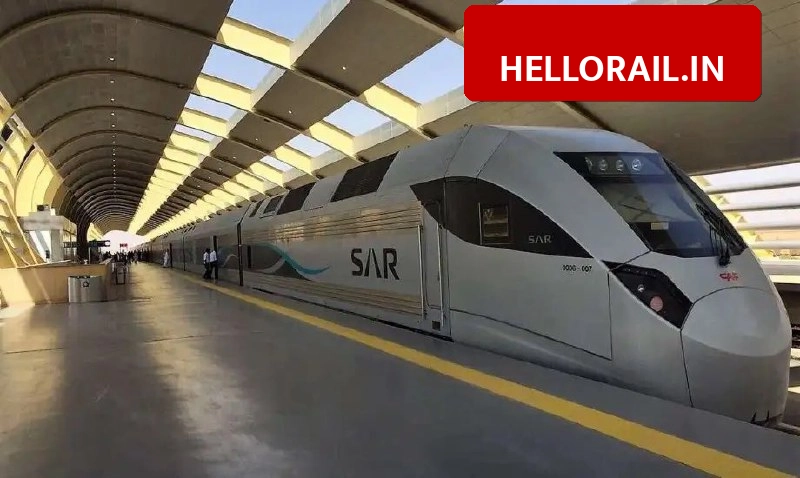

On March 9, 2026, Saudi Arabia took a major step to help stranded travelers by deploying its first ultra-luxury sleeper train, the Dream of the Desert, widely known as the Orient Train. Due to recent airspace closures and regional instability across the Gulf, 500 citizens were safely transported from Riyadh toward various border regions. This emergency service provided a secure and organized route back home for people who were stuck due to sudden flight suspensions in the area.
Why the Orient Train Was Used Ahead of Schedule
The Orient Train is a high-end joint venture between Saudi Arabia Railways (SAR) and the Italian Arsenale Group. The luxury train was originally scheduled for a public commercial launch in late 2026. Authorities decided to activate the train early as an exceptional emergency service to manage the ongoing regional crisis and assist stranded expats and citizens.
With thousands of travelers grounded in neighboring Gulf countries, King Khalid International Airport in Riyadh became one of the few fully operational hubs. SAR officials selected this specific luxury train because of its high passenger capacity and long-distance comfort.
This strategic move allowed the government to transport large groups over 1,000 kilometers safely. It effectively saved stranded passengers from undertaking exhausting 10-hour road trips across the desert in smaller vehicles.
Rules and Logistics for the Emergency Journey
This special transport was organized purely as a state-sponsored relief service. Official data confirms that there were no commercial ticket prices charged for these specific journeys, as the operation was part of the Kingdom’s official crisis response program to help the common man.
Priority boarding was given to GCC citizens and residents holding valid visas who were directly affected by the flight blockades. Passengers were required to register through official government portals or at the designated assembly points located at the Riyadh North Train Station.
The Saudi Ministry of Transport and Logistics coordinated closely with the GCC Secretariat to ensure the smooth reception of citizens at the borders of the UAE, Kuwait, and Qatar. Saudi Minister of Transport Saleh Al-Jasser officially stated that the Kingdom is utilizing all available logistics assets to guarantee the safety and mobility of people in the region.