





























Indian Railways has significantly tightened security rules regarding the carriage of dangerous goods. Under the Jan Vishwas (Amendment of Provisions) Act 2026, the penalty for carrying prohibited items has been increased from 500 rupees to a minimum of 10,000 rupees. The Ministry of Railways issued a notification for these changes, which became effective in June 2026.
Which items are prohibited in trains?
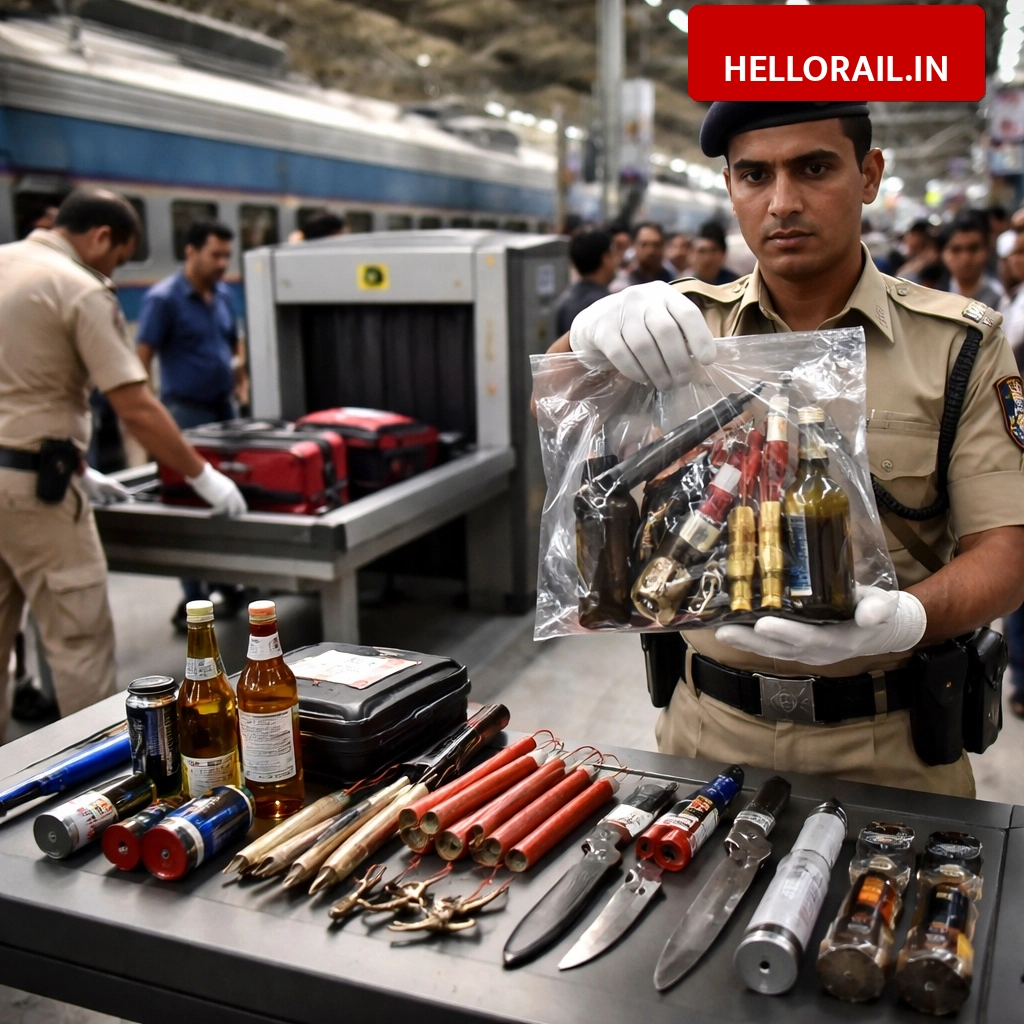
Passengers are strictly forbidden from carrying flammable and explosive materials. The list includes items that can put other passengers or railway property at risk. The prohibited items are as follows:
| Category | Prohibited Items |
|---|---|
| Flammable Liquids | Petrol, Diesel, Kerosene |
| Explosives | Gas cylinders, Firecrackers, Matches |
| Chemicals | Acid, Corrosive chemicals |
| Hazardous Items | Stoves, Sharp weapons |
What are the penalties for violating these rules?
The railway authorities have the power to seize any prohibited items found during checks. If a passenger is caught with such materials, they will have to pay a fine of up to 10,000 rupees. The offender will be held fully responsible for any injury, loss, or damage caused by these items.
In cases where a passenger refuses to remove the prohibited items or fails to pay the prescribed fine, the law allows for stricter action. This may include imprisonment for up to one year, a court-imposed fine of at least 10,000 rupees, or both.
Frequently Asked Questions (FAQs)
What is the new fine for carrying banned items in trains?
The fine has been increased from 500 rupees to a minimum of 10,000 rupees under the Jan Vishwas Act 2026.
Can a passenger be jailed for carrying prohibited goods?
Yes, if a passenger refuses to remove the items or pay the fine, they can face up to one year of imprisonment and a court fine.