





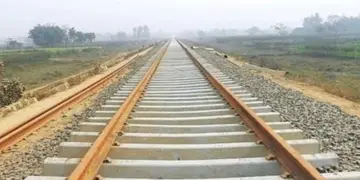







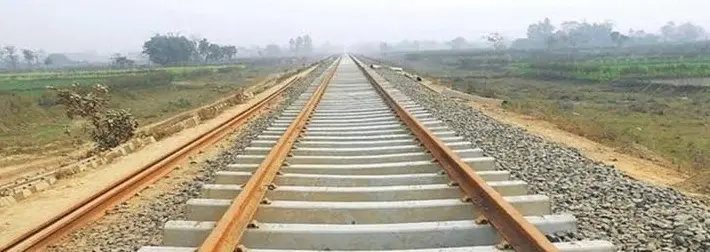

The ambitious Gaya-Daltonganj new rail line project has moved into a pivotal phase as railway engineering teams begin essential soil testing in the Daltonganj region of Jharkhand. This geological survey is a fundamental requirement to determine the structural integrity, load-bearing capacity, and soil composition necessary for building a safe and stable railway network, including the bridges and culverts planned along the route.
Key updates regarding the project include:
• Geological surveys are underway to assess land stability for construction.
• A Detailed Project Report (DPR) will follow to finalize route length, stations, and land acquisition needs.
• The project covers a stretch of approximately 120 to 136.88 kilometers.
• Funding includes an initial allocation of 44.26 crore rupees, with an additional 20 crore rupees sanctioned in February 2023 for survey work.
• The line is set to reduce travel time between Ranchi and Patna by three hours and Palamu and Patna by four hours.
Advancing the Detailed Project Report
Once the soil analysis is complete, officials will finalize the Detailed Project Report (DPR). This comprehensive document will serve as the blueprint for the entire project, detailing the precise length of the line, the number of bridges required, estimated construction costs, and land acquisition specifics. Following approval from the Railway Board, the project will move into the land acquisition phase, eventually leading to the start of construction.
Strategic Connectivity and Regional Growth
This rail line is designed to significantly improve connectivity between Bihar and Jharkhand. By linking blocks such as Sherghati, Imamganh, and Dumaria in Gaya, and Naudiha Bazar, Chhatarpur, and Nawbazar in Palamu, the project aims to foster economic growth in regions that have historically faced logistical challenges. The initiative, championed by Palamu MP Vishnu Dayal Ram, is not only expected to boost local trade and tourism but will also serve as a major infrastructure upgrade for areas previously impacted by Naxal activities.
By creating a more direct route, the railway expects to slash transit times significantly, providing a much-needed boost to passenger convenience and regional logistics. As the survey work progresses, residents and commuters can look forward to a transformative shift in connectivity that promises to bring these two states closer than ever before.