
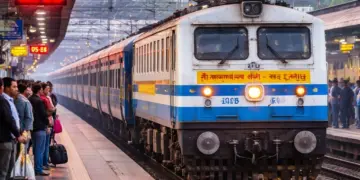

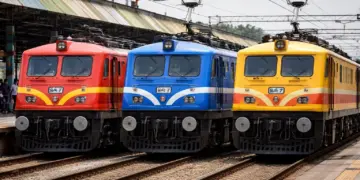



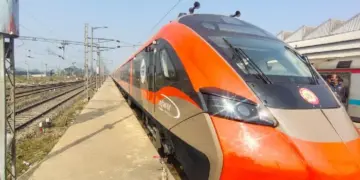
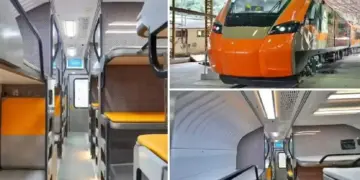
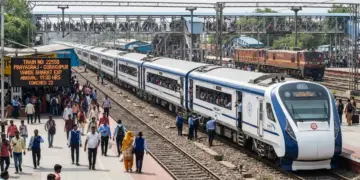
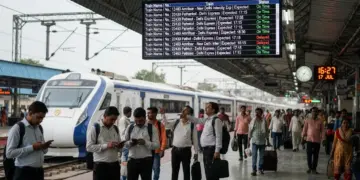
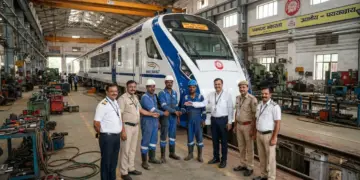



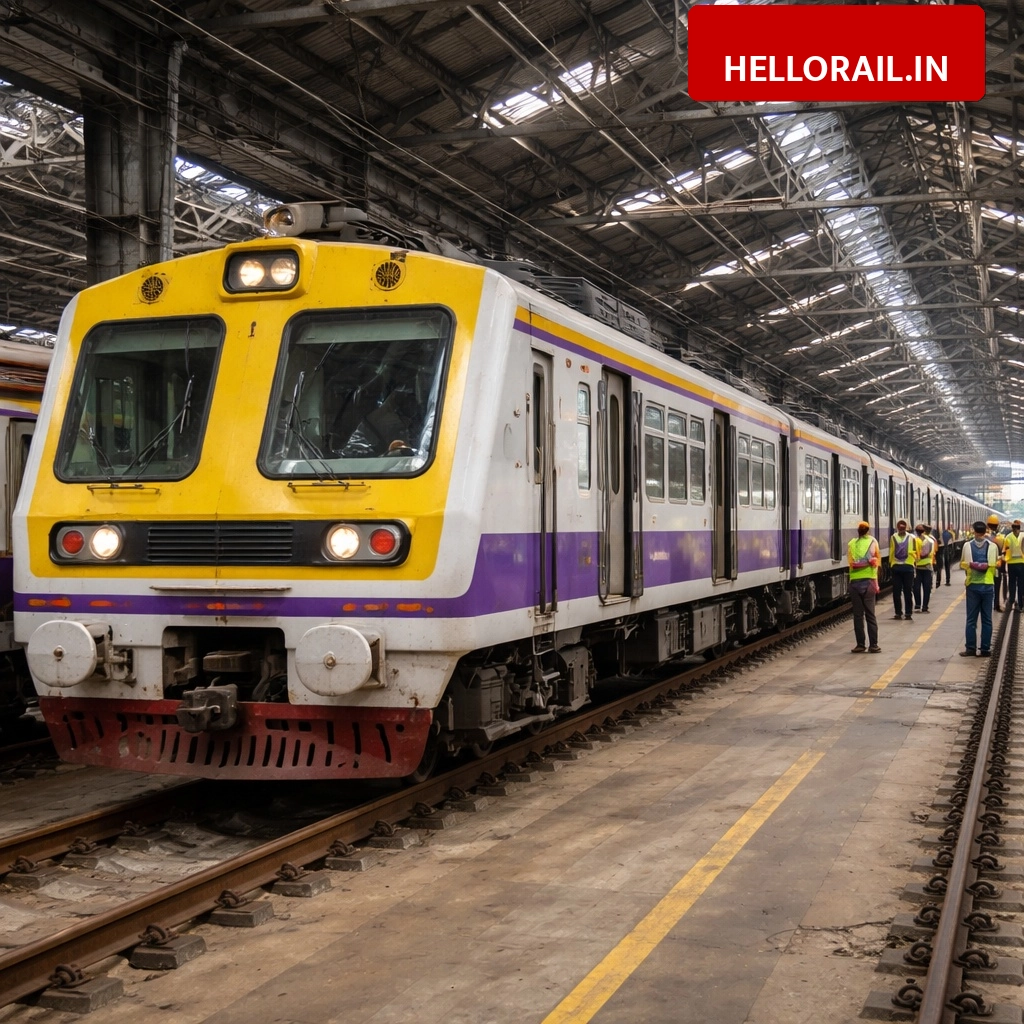

Mumbai’s suburban railway is getting a major safety upgrade with the introduction of non-AC trains featuring closed doors. The first of these trains arrived at the Kurla car shed on April 13, 2026. This move follows directions from the Railway Minister after a serious accident in Mumbra to prevent passengers from falling or hanging out of open doors.
ℹ️: Bettiah Railway Station: Old building to be demolished for airport-look modernization।
What are the main features of the new closed door local?
These trains were manufactured by the Integral Coach Factory (ICF), Chennai. They are designed to handle heavy crowds while ensuring passenger safety. The key technical specifications are as follows:
| Feature | Details |
|---|---|
| Door System | Automatic sliding doors |
| Ventilation | Forced ventilation system with larger windows |
| Passenger Capacity | Approximately 5600 passengers |
| Safety Tools | Talk-back system and emergency buttons |
| Information System | GPS based passenger info and LED lighting |
| Cost | 10-15% higher than normal local rakes |
How will these trains tackle heat and crowding?
Since these are non-AC trains, the railway has installed a forced ventilation system to keep fresh air circulating inside the coaches. The doors also have mesh (loftered doors) and larger windows to prevent suffocation during peak hours. Central Railway will conduct technical checks and trials before these trains are officially opened for public service.
Who is overseeing the safety implementation?
Central Railway is managing the testing and rollout of these new rakes. Additionally, Maharashtra DGP Sadanand Date has ordered a detailed security audit and a restart of safety review meetings to further strengthen the suburban railway network. The number of such trains will be increased in phases based on passenger feedback.
Frequently Asked Questions (FAQs)
When did the first closed door non-AC local reach Mumbai?
The first non-AC closed door local train reached the Kurla car shed on April 13, 2026, for upcoming trials.
Will there be suffocation in these closed door non-AC trains?
To prevent suffocation, the trains feature a forced ventilation system, larger windows, and mesh on the doors for better airflow.