
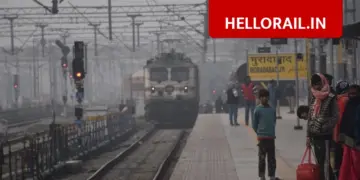
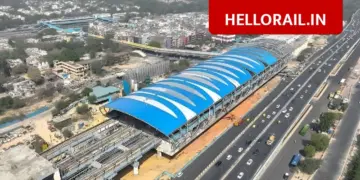
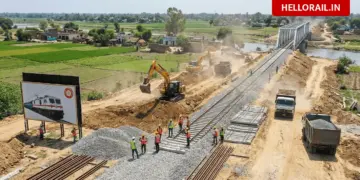
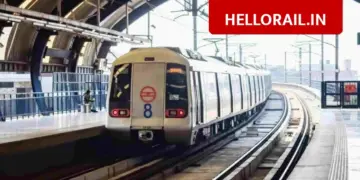
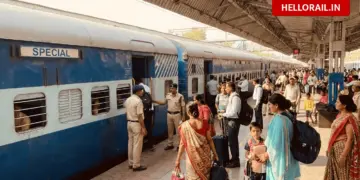
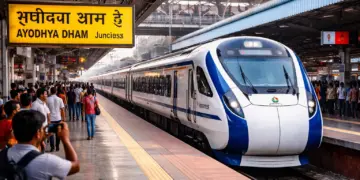
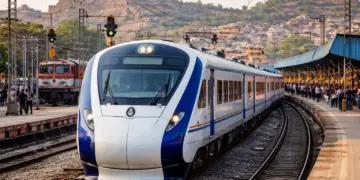


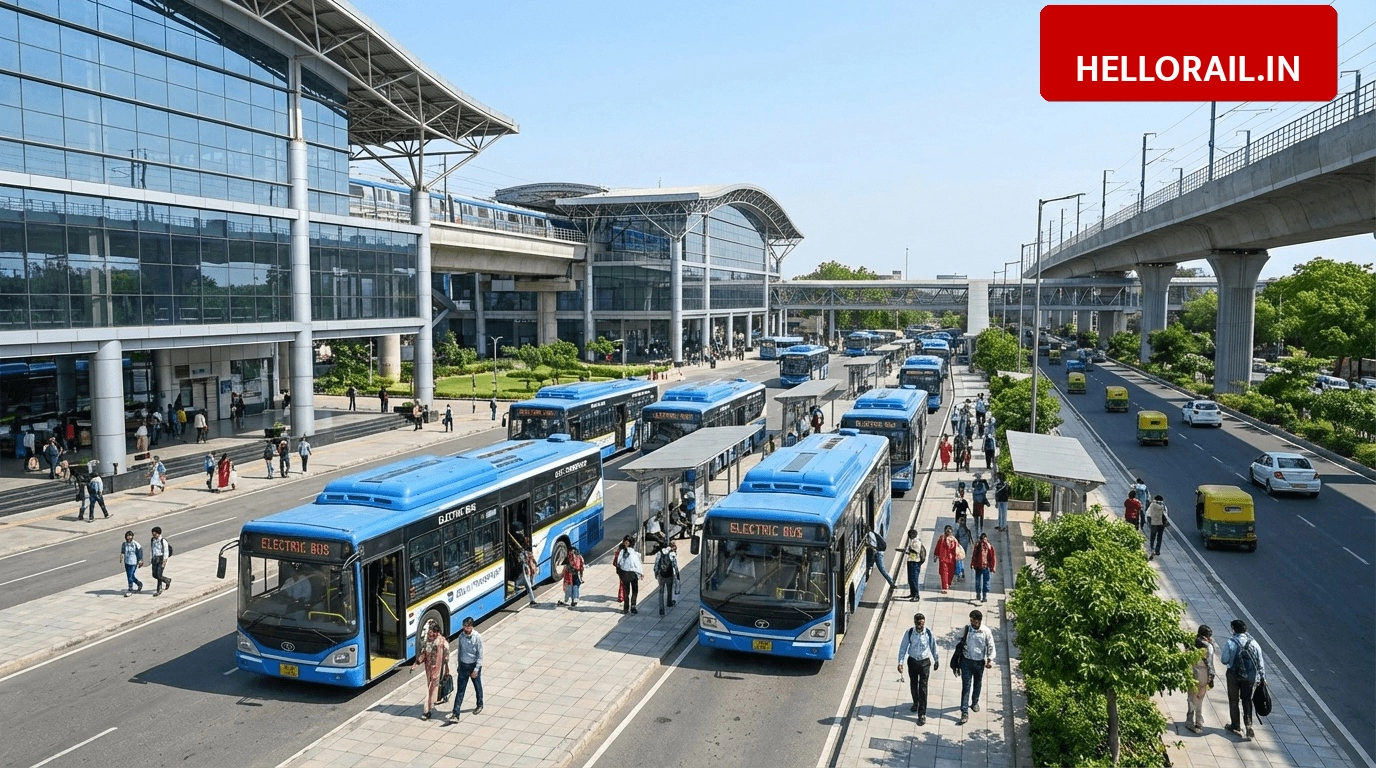

The Sarai Kale Khan area is now a massive Multi-modal Transport Hub, with the Regional Rapid Transit System (RRTS) station becoming fully operational on February 22, 2026. This hub links the RRTS, Delhi Metro Pink Line, and Hazrat Nizamuddin Railway Station through a convenient foot overbridge with travelators. Passengers can now switch between different modes of transport without leaving the integrated complex, making daily travel much smoother for thousands of commuters.
Connectivity and RRTS Corridors at Sarai Kale Khan
Sarai Kale Khan serves as the main meeting point for three major RRTS corridors, making travel easier for people across the National Capital Region. The interoperable design allows commuters to travel between different routes without changing trains at the station. The hub also features a city bus interchange with space for over 15 buses and parking for approximately 275 cars and 900 two-wheelers.
- Delhi–Ghaziabad–Meerut: This 82 km corridor is fully operational since February 2026.
- Delhi–Panipat–Karnal: Pre-construction work has started after PIB clearance in late 2025.
- Delhi–Alwar: This corridor will also start from Sarai Kale Khan, with cabinet approval expected soon.
ISBT Redevelopment and Electric Bus Growth
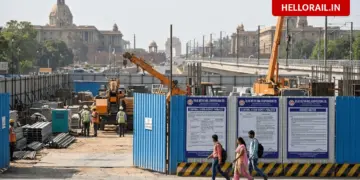
The Sarai Kale Khan ISBT is being redeveloped with an investment of ₹7,600 crore to provide better facilities for bus passengers under a transit-oriented development framework. This project will take about 48 months for full completion, and significant construction diversions are expected starting July 2026. Along with the infrastructure, the city green transport is getting a major boost through a massive fleet expansion.
| Project Feature | Current Status | Future Projection |
|---|---|---|
| Electric Bus Fleet | 4,338 Buses | 14,000 by 2028-29 |
| ISBT Redevelopment | Planning Stage | 48 Months completion |
| High-Speed Rail | Proposed | Delhi-Varanasi link |
| RRTS Fares | Standard ₹20-₹150 | Premium 1.5x rates |
Delhi Chief Minister Rekha Gupta has confirmed that the government aims to reach 7,500 electric buses by the end of 2026 and eventually 14,000 by 2029. This expansion will significantly improve bus frequency on several routes across the city. The National Capital Region Transport Corporation manages the RRTS network while the Delhi Transport Department oversees the ISBT redevelopment.