





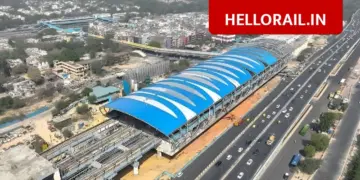
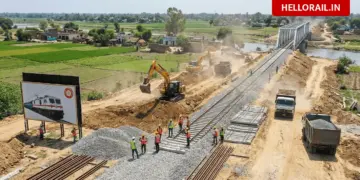

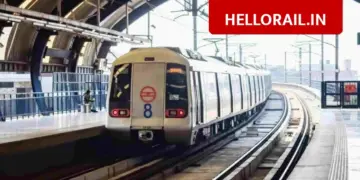
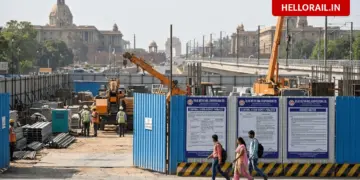
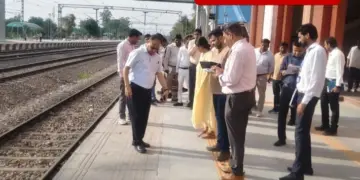



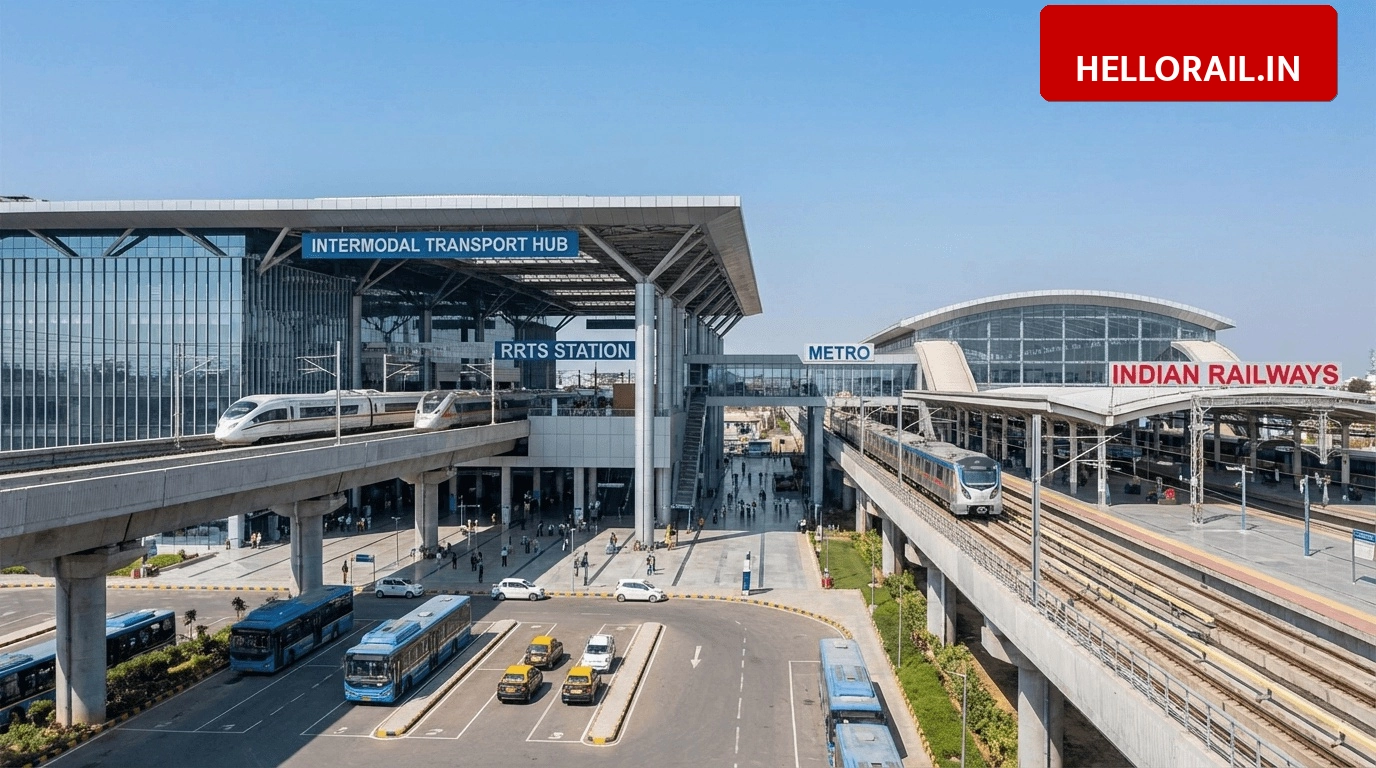

The Sarai Kale Khan bus stand is undergoing a major transformation into a massive Multi-modal Transport Hub spanning over 31 acres. This ambitious project is estimated to cost around ₹7,613 crore and is scheduled for completion by December 2030. The redevelopment aims to meet the transportation demands of the Delhi-NCR region for the next 25 years by integrating various modes of transit into a single point.
🗞️: New Delhi Railway Station to become super smart with 1500 AI cameras and Bharat Taxi integration।
Key features of the Multi-modal Transport Hub
- Seamless Connectivity: The hub integrates the Namo Bharat RRTS with the Delhi Metro Pink Line and Hazrat Nizamuddin Railway Station.
- Passenger Facilities: A 280-meter-long foot overbridge equipped with six automatic travelators facilitates movement between the rail station and RRTS.
- Redevelopment Model: The project follows a Design, Build, Finance, Operate, and Transfer (DBFOT) framework for optimal land use.
- Project Timeline: The ISBT construction will take approximately 24 months, while the real estate development is planned for 48 months.
Upcoming RRTS Corridors and Connectivity Updates
| Corridor | Current Status |
|---|---|
| Delhi-Ghaziabad-Meerut | Fully operational since February 2026 |
| Delhi-Panipat-Karnal | Pre-construction work started with PIB clearance |
| Delhi-Alwar | Civil construction expected to start in August 2026 |
| Delhi-Varanasi High-Speed Rail | Proposed terminal at Sarai Kale Khan hub |
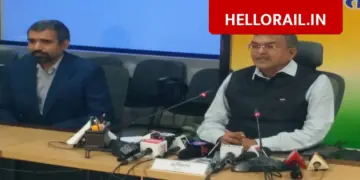
Union Minister Manohar Lal Khattar and Delhi Transport Minister Pankaj Singh have emphasized that this hub will significantly reduce road congestion in the capital. The integration is designed to encourage public transport usage by offering a unified interchange point for lakhs of daily commuters. Recent contracts for electrical utility shifting on the Panipat corridor further signal the rapid pace of regional rail expansion connected to this hub.