



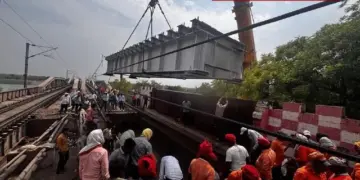
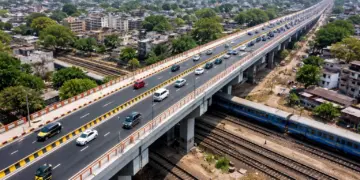





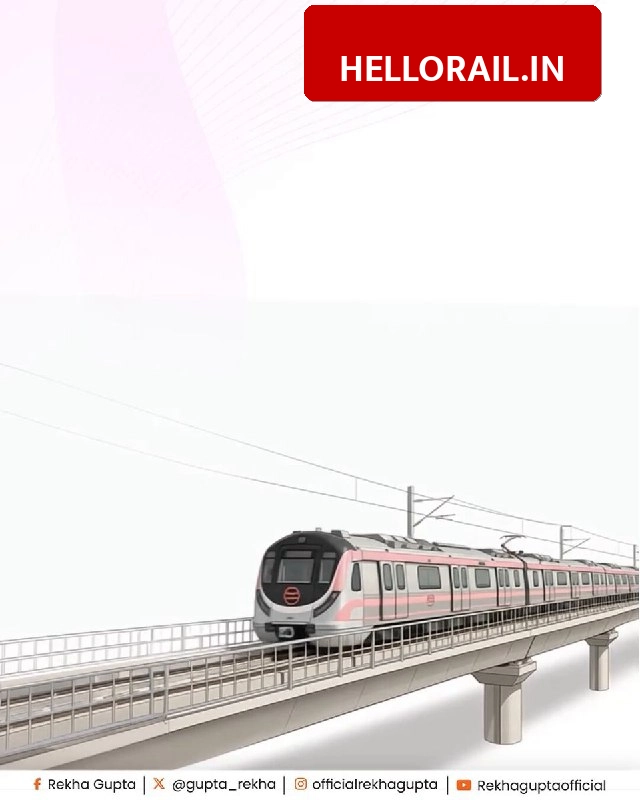

Prime Minister Narendra Modi is all set to give a major boost to the public transport network in the national capital. On March 8, 2026, he will inaugurate two new metro corridors and lay the foundation stone for three additional lines. The event is scheduled for 10:00 AM at the DDA Utsav Sthal-3 on Burari Road. This expansion aims to reduce traffic jams and make travel faster for daily commuters across Delhi.
Which New Routes Are Opening?
The Prime Minister will inaugurate two key sections of the Delhi Metro Phase 4 project. These lines have completed their safety trials and are ready for operations. The Pink Line extension is special because it completes the loop, making it India’s first fully operational Ring Metro. This means commuters can circle the city without multiple interchanges.
| Corridor Name | Route | Key Stations |
|---|---|---|
| Pink Line Extension | Majlis Park to Maujpur-Babarpur (12.3 km) | Burari, Jharoda Majra, Sonia Vihar |
| Magenta Line Extension | Deepali Chowk to Majlis Park (9.92 km) | Madhuban Chowk, Haiderpur Badli Mor |
What Are the New Projects Being Launched?
Along with the inaugurations, PM Modi will also lay the foundation stone for Phase 5A corridors. These upcoming lines focus on better connectivity to central areas and the airport. The total investment for these projects is estimated to be over ₹18,300 crore.
- Central Vista Corridor: An underground line from Ramakrishna Ashram Marg to Indraprastha connecting India Gate.
- Golden Line Extension 1: Connects Aerocity to IGI Airport Terminal-1.
- Golden Line Extension 2: An elevated stretch from Tughlakabad to Kalindi Kunj.
How Will This Help Commuters?
This expansion brings great relief to people living in North and Northeast Delhi. Residents of areas like Burari and Yamuna Vihar will now have direct metro connectivity, reducing their dependence on buses and autos. The new Golden Line extensions will also make it much easier for people coming from Noida and Faridabad to reach the airport quickly. Delhi Chief Minister Rekha Gupta mentioned that this step is crucial for reducing pollution and building a developed city.