








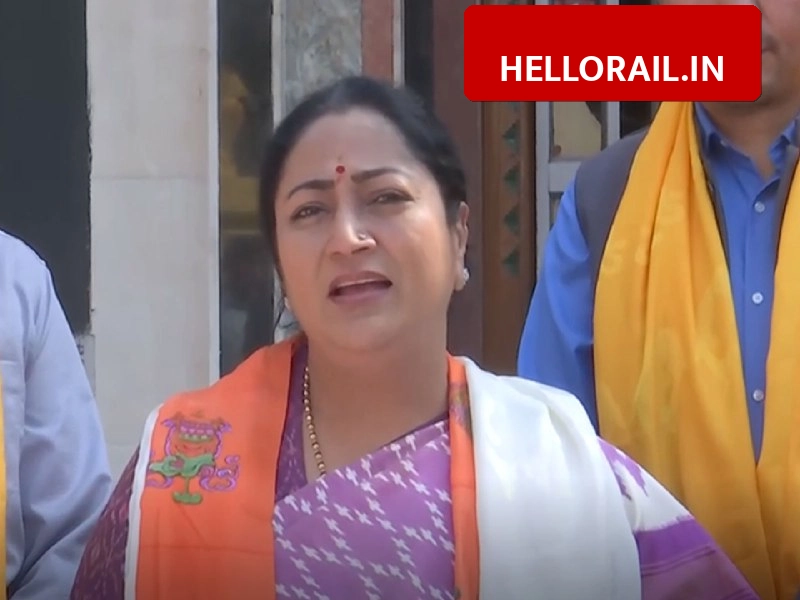

Prime Minister Narendra Modi is set to visit Delhi on March 8, 2026, to officially inaugurate major metro corridors and lay the foundation stone for upcoming projects. Delhi Chief Minister Rekha Gupta confirmed the schedule on Thursday, noting that the event will be held at DDA Utsav Sthal-3. This major infrastructure update aims to significantly cut travel time for residents in North Delhi and surrounding areas while reducing road congestion. The total value of these developments is estimated to be over ₹18,300 crore.
ℹ️: Bhagalpur Station New Rules: Platform Entry Restricted for Confirmed Ticket Holders during Holi Rush।
Which New Metro Sections Will Open for Public?
Two significant extensions are ready for operations and will be dedicated to the public during this event. The Pink Line extension connecting Majlis Park to Maujpur-Babarpur is a major highlight as it completes India’s first “Ring Metro”. This 12.3 km stretch includes 8 elevated stations such as Burari, Jharoda Majra, Jagatpur-Wazirabad, and Bhajanpura.
The second inauguration covers the Magenta Line extension from Deepali Chowk to Majlis Park. This 9.92 km route adds 7 elevated stations to the network, extending the total Magenta Line length to approximately 49 km. These additions are expected to provide seamless last-mile connectivity for thousands of daily commuters.
New Projects and Station Name Changes
Apart from the inaugurations, PM Modi will lay the foundation stone for three new Phase-V (A) corridors. These include the Central Vista Corridor linking Ramakrishna Ashram Marg to Indraprastha, and two extensions of the Golden Line connecting Aerocity to IGI Airport Terminal-1 and Tughlakabad to Kalindi Kunj. These projects are funded through a mix of central and state support along with external loans.
The government has also renamed two upcoming stations to better reflect local identity. The station formerly known as North Pitampura will be called Haiderpur Village, and Pitampura is renamed Madhuban Chowk. Chief Minister Rekha Gupta stated that these initiatives are vital for transforming the capital into a “Viksit Delhi” by ensuring a robust public transport framework.