




















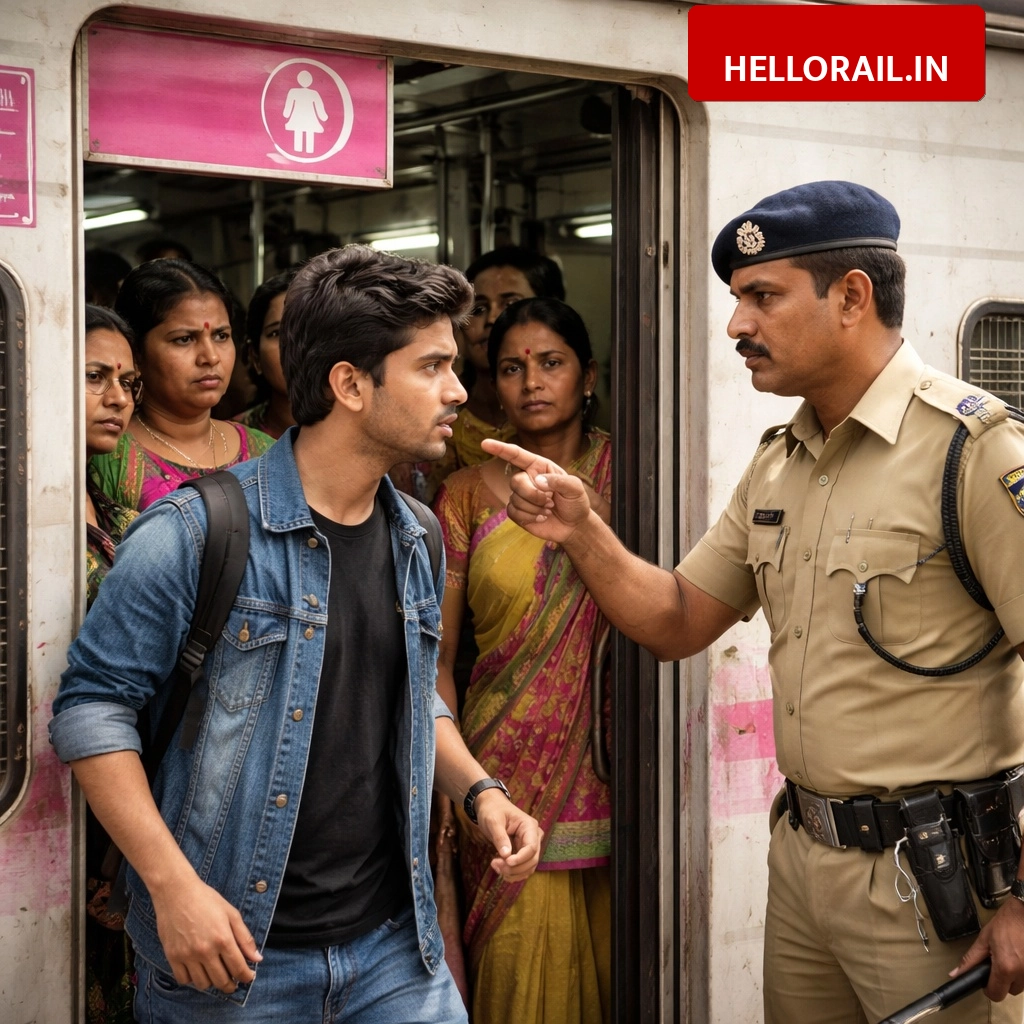

Indian Railways has introduced strict new rules to improve passenger safety and discipline. Under the Jan Vishwas (Amendment of Provisions) Act 2026, the Ministry of Railways has significantly increased the penalties for various offenses. These changes aim to ensure women passengers can travel with more privacy and confidence across the network.
What are the new penalties for railway offenses?
The Railway Board has updated the penalty structure to act as a stronger deterrent. The Railway Protection Force (RPF) and TTEs will now strictly enforce these rules during their regular checks. If a person refuses to pay the penalty on the spot, they may be taken to court, where they could face higher fines or imprisonment for three to six months.
| Offense | New Penalty |
|---|---|
| Men in Women’s Coaches | ₹2,500 |
| Ticketless Travel (Minimum) | ₹500 |
| Carrying Dangerous Goods | ₹10,000 |
| Smoking on Premises | ₹2,000 |
| Unauthorized Hawking/Begging | ₹2,000 |
| Littering/Damaging Property | ₹1,000 to ₹2,000 |
When do these new rules come into effect?
The Ministry of Railways issued the official gazette notification on June 19, 2026. Most of the revised rules, including the heavy fine for men entering women’s compartments, became effective from June 20, 2026. Some reports suggest a full implementation across all zones by July 1, 2026. The official terminology has also changed, and the word Penalty (दंड) is now used instead of Fine (जुर्माना).
Frequently Asked Questions (FAQs)
What happens if a man is caught in a women’s coach?
Men caught in coaches reserved for women will face a penalty of ₹2,500. If they refuse to pay, they can be produced in court and may face a fine up to ₹5,000 or jail time.
What is the new minimum fine for traveling without a ticket?
The minimum penalty for ticketless travel has been doubled from ₹250 to ₹500 under the new guidelines.