









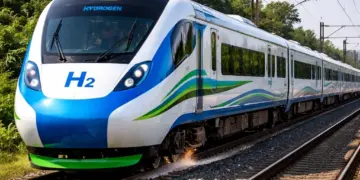
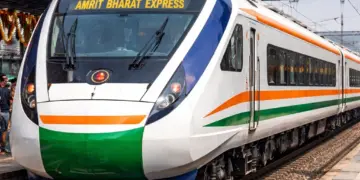
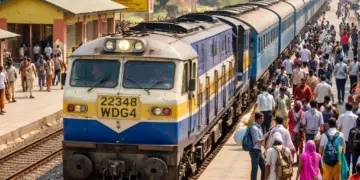


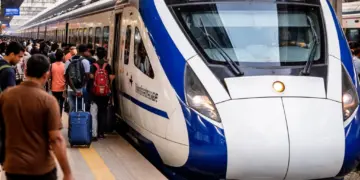




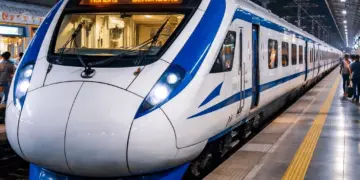
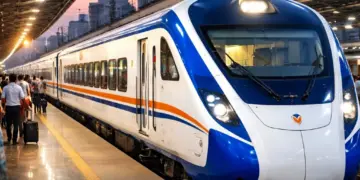



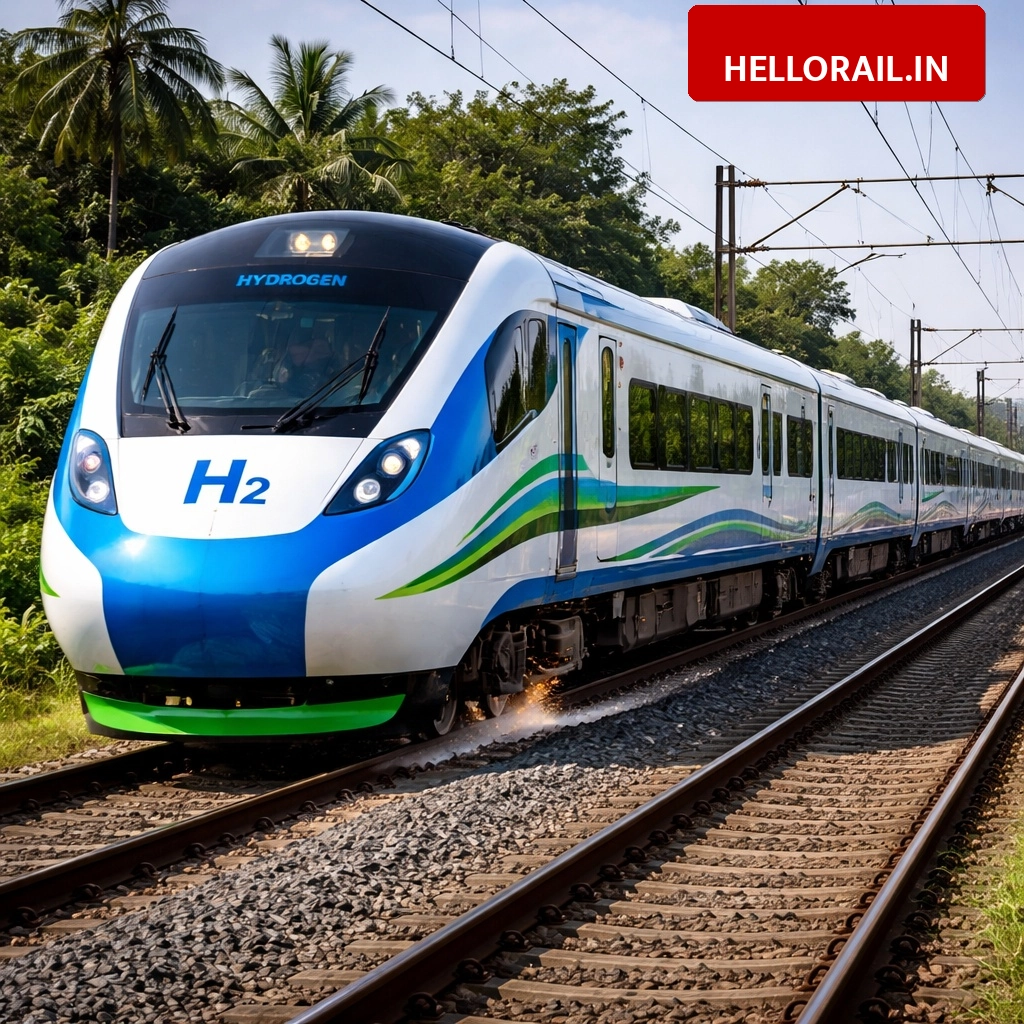

Indian Railways achieved a major milestone as the country’s first hydrogen-powered train successfully completed its final high-speed trial on June 26, 2026. The test took place on the Jind-Sonipat section in Haryana, where the train reached a top speed of 120 kmph. This move brings India closer to launching zero-emission trains for public use.
🗞️: Railway safety boost: Indian Railways launches SOS alert system for women via Yatri App।
Key details of the Hydrogen Train trial
The trial was monitored by a special unit of the Research Design and Standards Organisation (RDSO) from Lucknow. While the test was originally planned for June 24, it was rescheduled and successfully executed on June 26. The train is a 10-coach Hydrogen Fuel Cell DEMU that operates by combining hydrogen and oxygen to create electricity, emitting only water vapor.
Technical specifications and safety features
The Indian-made hydrogen engine is significantly more powerful than international counterparts. According to Union Minister Ashwini Vaishnaw, the Indian engine has a capacity of 1,200 horse power, whereas similar trains in Germany or China have 500-600 horse power. To ensure safety, the train includes several advanced systems:
- Hydrogen gas leak detectors
- Flame detection devices
- Continuous monitoring technology
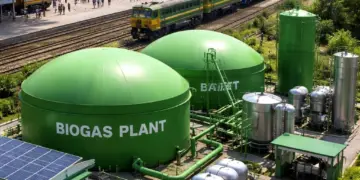
- Specialized hydrogen production and refueling facilities at Jind station
What are the next steps for the project
RDSO experts evaluated critical parameters including brake performance, engine capacity, vibration levels, and track conditions during the run. The project aligns with the national goal of achieving net-zero carbon emissions by 2030. Now that the high-speed trial is over, the railway board will complete the remaining regulatory and operational formalities before the train enters passenger service.
Frequently Asked Questions (FAQs)
What is the top speed achieved by the Hydrogen Train in the trial?
The hydrogen-powered train successfully achieved a top speed of 120 kmph during its final high-speed trial on the Jind-Sonipat section on June 26, 2026.
How does the Indian Hydrogen Train compare to those in other countries?
The Indian hydrogen engine has a capacity of 1,200 horse power, which is double the capacity of hydrogen trains in Germany or China, which range between 500-600 horse power.