
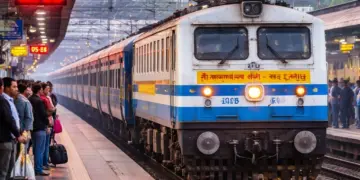
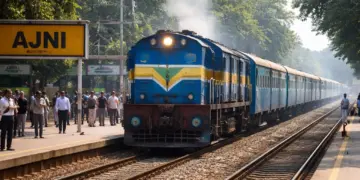

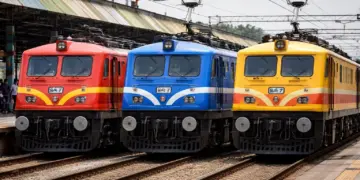

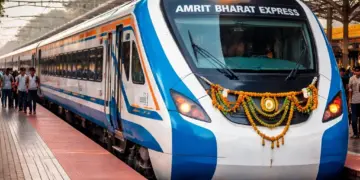
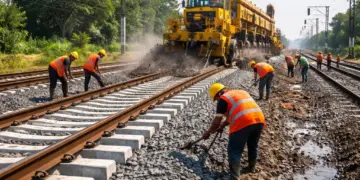
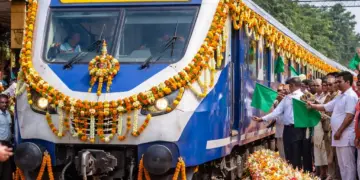
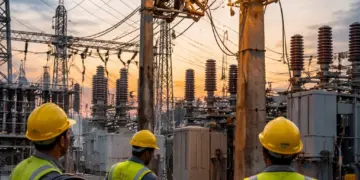
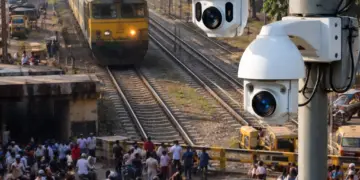
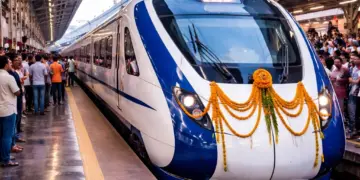


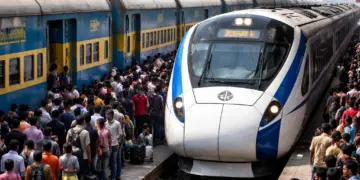
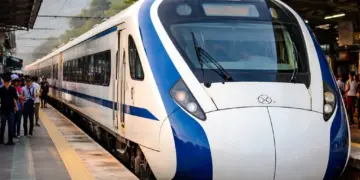
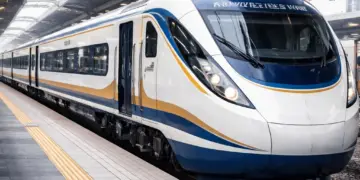

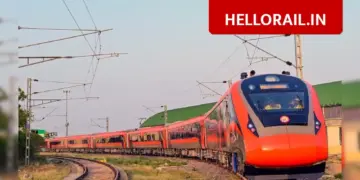
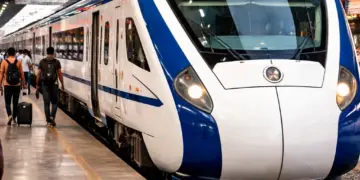
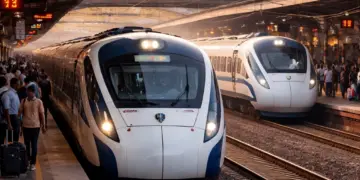


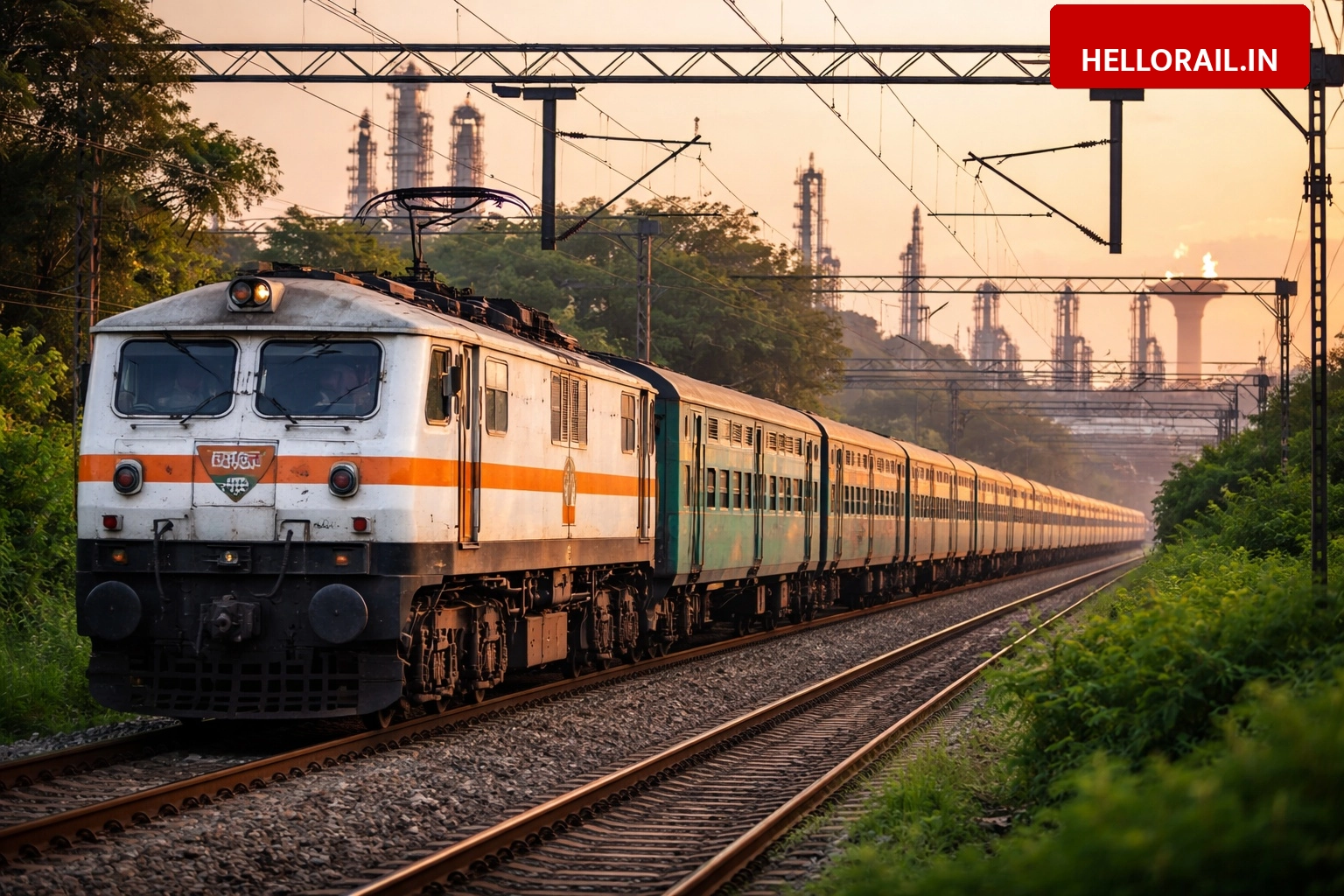

Indian Railways has reached a major milestone in energy independence, with 99.4% of its Broad Gauge network now electrified as of March 2026. This extensive electrification drive acts as a shield against global fuel supply disruptions, particularly the ongoing geopolitical tensions in Iran and the West Asia region. By shifting its power source, the railway network has significantly reduced its vulnerability to international crude oil price spikes and maritime trade risks.
🗞️: Indian Railways Digital Update: 88% of reserved tickets now booked online via RailOne app।
How has electrification reduced dependence on diesel imports?
The transition to electric traction has fundamentally changed the fuel requirements of the national transporter. Since the 2016-17 period, Indian Railways has managed to cut its diesel consumption by 62%, saving nearly 178 crore litres of fuel. This change is crucial because bulk diesel prices recently saw an increase of approximately ₹22 per litre due to the escalating conflict in the Middle East. While road transport and other sectors face the heat of global crude prices exceeding $100 per barrel, the railway network operates primarily on electricity generated from domestic sources.
Key factors ensuring energy stability for the railways
The railway system now relies on a diverse energy mix that includes coal-fired plants, hydroelectric power, and a growing share of solar and renewable energy. This diversification helps in maintaining stable operational costs even when global oil markets are volatile. According to official data, the current status of the network and fuel savings provides a massive cushion to the Indian economy. The following points highlight the impact of this strategic shift:
- Operational Resilience: Trains continue to run without interruption despite disruptions in the Strait of Hormuz.
- Massive Savings: Reduction in diesel usage has saved billions in foreign exchange for the country.
- Domestic Power: Increased use of solar and wind energy aligns with the 2030 net-zero carbon emission goal.
- Price Insulation: Protection from the 25% surge in industrial diesel prices seen in March 2026.
Current status of fuel security and diplomatic efforts
While the railways are largely protected, the Government of India continues to monitor the situation for other transport sectors. The Ministry of External Affairs has been active in ensuring the safe passage of tankers through conflict zones. Reports indicate that while crude oil tankers face challenges, diplomatic engagements have facilitated the movement of essential LPG carriers. For Indian Railways, the focus remains on completing the final 0.6% of electrification to achieve a fully electric Broad Gauge network, further strengthening India’s energy sovereignty.