Land acquisition starts for new Aurangabad and Anugrah Narayan Road rail line
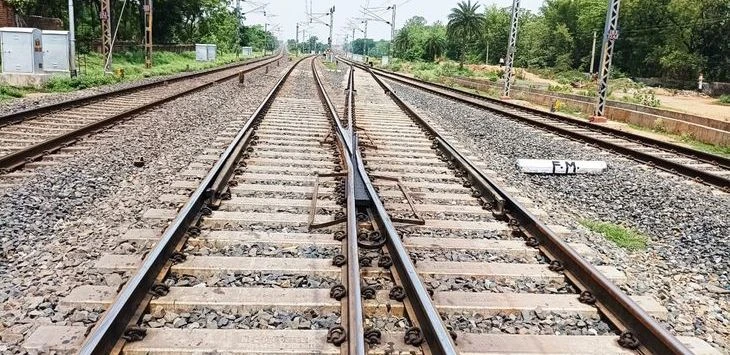
Authorities in Bihar have officially initiated the land acquisition process for the construction of a new 12.906-kilometer rail line connecting Aurangabad city to the Anugrah Narayan Road railway station. This upcoming railway infrastructure project aims to improve regional connectivity and forms a vital part of the larger Aurangabad-Bihta rail line development plan. Below are the key details regarding the ongoing land acquisition and project layout:
- 85.9118 acres of land will be acquired across 11 mauzas or villages in the Sadar block.
- The affected villages include Jamhor, Jagdishpur, Jokhari, Bharthouli, Sushanar, Khairabind, Morauli, Kathautia, Rampur, Parsa, and Karma Bhagwan.
- The Ministry of Railways under the East Central Railway issued a formal notification under Section 20A of the Railway Act of 1989 on September 17, 2025.
Project Layout and Terminal Location
The newly proposed rail line will officially conclude at a brand new terminal facility to be developed at Parsa village, which is situated conveniently to the north of the Shree Cement plant. The entire land acquisition process is currently being actively managed and overseen by the District Land Acquisition Office in Aurangabad to ensure a smooth transition for the railway administration and landowners alike.
Addressing Local Farmer Concerns
As the ground-level work begins, local farmers and landowners have raised several important concerns regarding the project. Specifically, the community is calling for fair financial compensation for their properties along with the construction of adequate underpasses to maintain daily local connectivity across the tracks. In response to these appeals, the local district administration has provided firm assurances that they will work very closely with railway officials. Their goal is to address these practical grievances and ensure all legitimate concerns of the landowners are thoroughly resolved as the infrastructure project moves into its implementation phase.