Delhi-Ayodhya Bullet Train: Drone Survey Starts in Ayodhya
Drone surveys have begun in Ayodhya for the new Delhi-Patna high-speed rail corridor, promising faster travel to Varanasi and Lucknow.
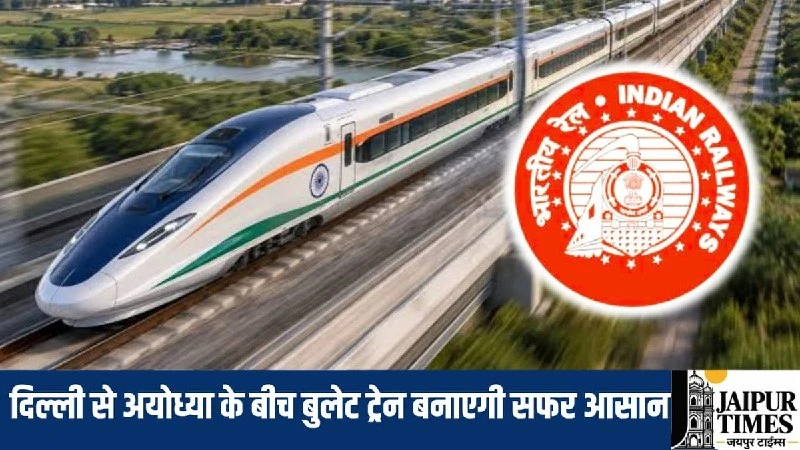
The landscape of Ayodhya is set for a massive technological transformation as a comprehensive drone survey has officially commenced. This aerial assessment is a critical step in the development of the ambitious high-speed rail corridor that will connect Delhi to Patna via Varanasi.
Mapping the Northern High-Speed Rail Corridor
The ongoing drone survey, which began approximately 15 days prior to November 17, 2026, is being conducted to determine the precise alignment of the tracks, evaluate land conditions, and finalize the technical requirements for the project. The National High-Speed Rail Corporation Limited (NHSRCL) is spearheading this effort, responsible for both the surveys and the preparation of Detailed Project Reports (DPRs).
This corridor is a vital part of the broader Northern High-Speed Rail Corridor. Once completed, it will link several major urban hubs, including:
- Delhi
- Agra
- Kanpur
- Lucknow
- Ayodhya
- Prayagraj
- Varanasi
- Patna
Future extensions are also being envisioned to reach Siliguri and Guwahati, further integrating the nation's high-speed network.
Revolutionizing Travel Times
The implementation of this high-speed network promises to drastically slash travel durations between major cities. Commuters can look forward to a much faster transit experience:
- Delhi to Kanpur: Approximately 1 hour and 45 minutes.
- Lucknow to Kanpur: Just 27 minutes.
- Ayodhya to Lucknow, Prayagraj, or Varanasi: Between 1 to 1.5 hours.
Ayodhya: A Primary Transit Hub
Ayodhya is positioned to play a central role in this network. Ayodhya Dham railway station has been designated as a primary transit point for the corridor, with secondary connections planned for Ayodhya Cantt. This infrastructure is expected to cater to the massive influx of pilgrims and tourists visiting the Ram Temple.
The Northern Bullet Train Corridor will provide safe, modern, and rapid connectivity to Ayodhya, particularly following the rise in tourism and pilgrimage associated with the Ram Temple.
Union Minister for Railways, Ashwini Vaishnaw, who approved the corridor on October 31, 2026, emphasized that this initiative will drive substantial economic growth, create employment, and bolster tourism development across the entire region.