Bengaluru-Tumakuru Rail Section: Indian Railways to upgrade electric traction system for better connectivity
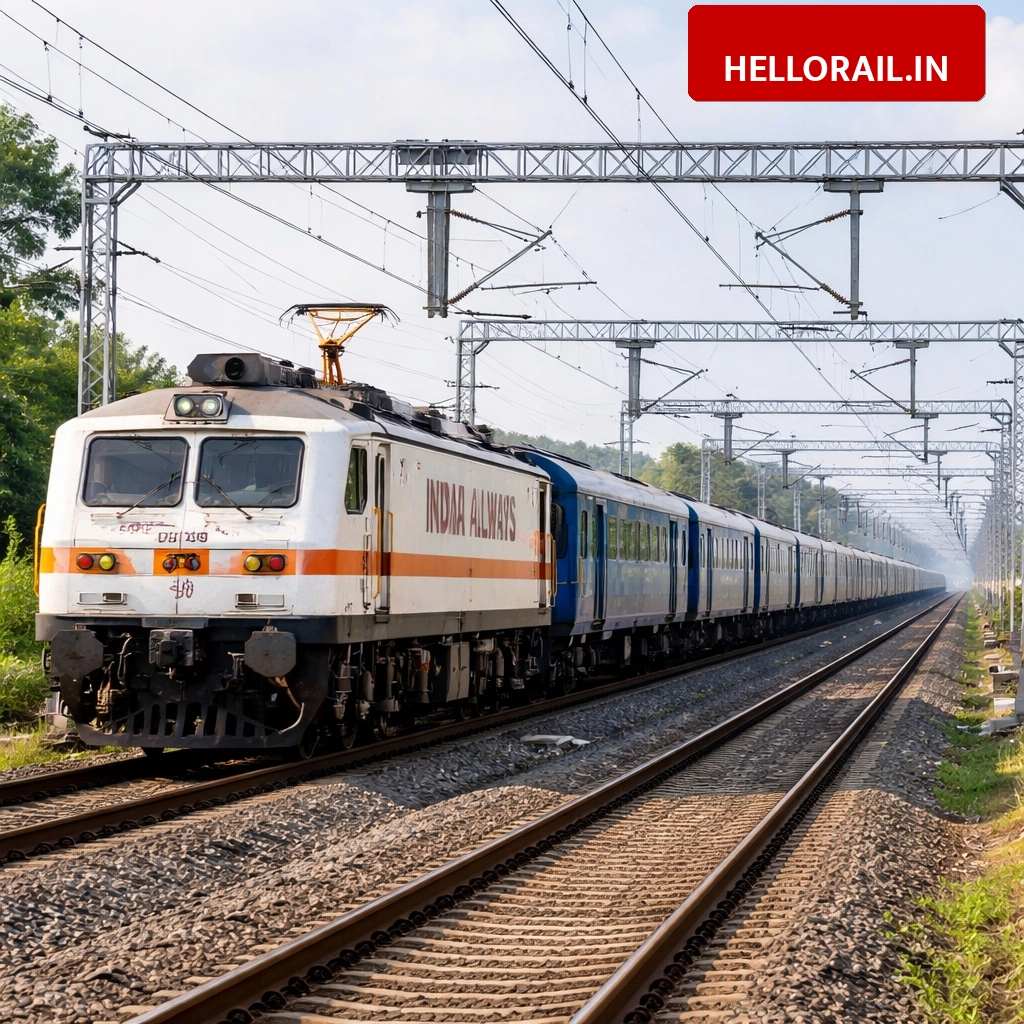
Indian Railways has approved the upgrade of the Bengaluru-Tumakuru rail section to a modern 2×25 kV electric traction system. This decision was officially announced by the Ministry of Railways on June 8, 2026. The project aims to increase rail capacity and make the movement of passenger and goods trains more efficient in one of Karnataka’s busiest routes.
What are the key details of the project?
The upgrade will cover 120 track kilometers (TKM) with an approved cost of ₹162.57 crore. This section is part of the High Utilized Network (HUN) Route-10, which connects major economic hubs from Pune to Kanyakumari. The South Western Railway will be responsible for implementing this upgrade to replace the existing 1×25 kV system.
How will this upgrade benefit passengers and freight?
The new 2×25 kV system provides a stronger power supply, allowing the tracks to handle a higher volume of traffic. This will help in running longer passenger trains and heavier goods trains more reliably. It is expected to reduce congestion in the Bengaluru metropolitan area and surrounding districts, ensuring smoother travel across South India.
| Project Detail | Information |
|---|---|
| Section | Bengaluru-Tumakuru |
| System Upgrade | 1×25 kV to 2×25 kV |
| Total Distance | 120 TKM |
| Project Cost | ₹162.57 Crore |
| Zone | South Western Railway |
Frequently Asked Questions (FAQs)
What is the cost and length of the Bengaluru-Tumakuru upgrade project?
The project covers 120 track kilometers (TKM) and has been approved with a total cost of ₹162.57 crore.
Why is the 2×25 kV system being implemented on this route?
It is being implemented to strengthen the power supply, increase rail capacity, and allow the section to handle more passenger and heavy freight trains efficiently.