Bilaspur-Leh Line to Host World's Highest Railway Station
India plans a 489-km Bilaspur-Leh railway line featuring the world's highest station at 17,244 feet to boost strategic connectivity.
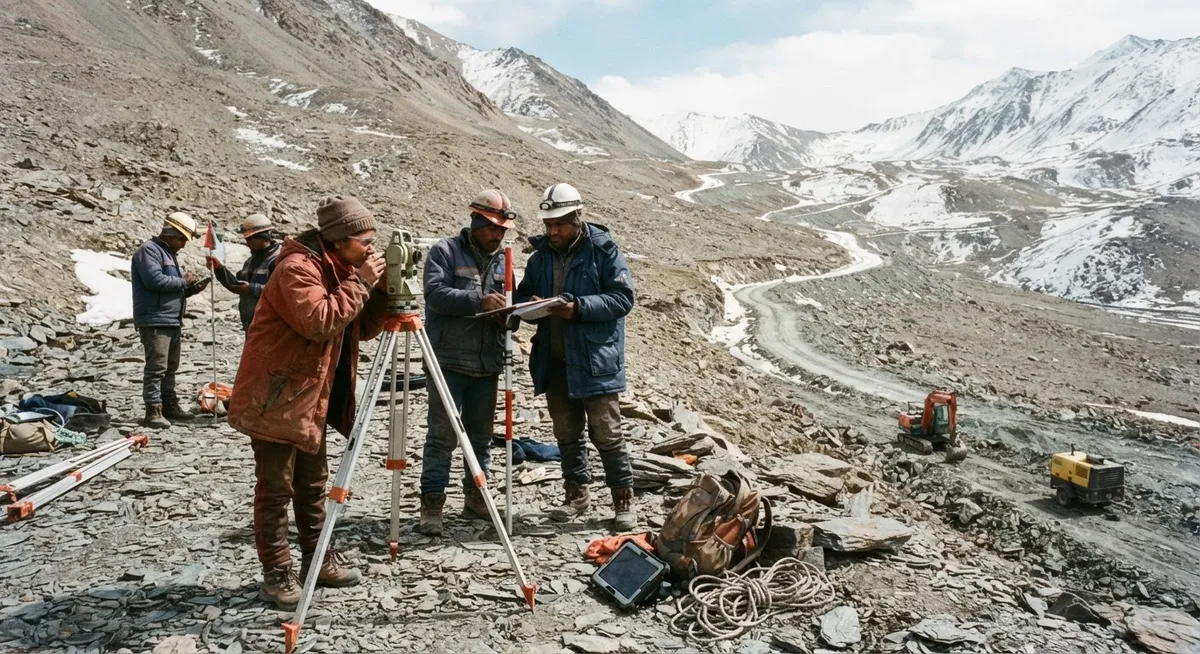
India is moving forward with a massive strategic project to connect Bilaspur in Himachal Pradesh to Leh in Ladakh. This 489-kilometre railway line is set to feature the world's highest railway station, marking a significant milestone in Indian engineering and high-altitude connectivity.
Breaking Global Records at Tanglang La
The proposed station is planned to be situated beneath the Tanglang La pass at an incredible elevation of 17,244 feet (5,256 metres). If completed, this will officially surpass the current record held by China's Tanggula station, which sits at approximately 5,068 metres.
Massive Investment and Engineering Feats
With an estimated cost of Rs 1.31 lakh crore, the project is currently in the Detailed Project Report (DPR) stage. While the preliminary survey has been completed, the initiative is still awaiting formal construction approval.
Navigating the extreme and complex Himalayan terrain will require unprecedented engineering solutions:
- Total Corridor Length: 489 kilometres.
- Extensive Tunneling: Nearly 270 kilometres of the route is planned to run through tunnels to navigate the mountainous landscape.
The Proposed Route Details
The railway alignment is designed to pass through several key regions and high-altitude locations, including:
- Sundernagar and Mandi
- Manali and Sissu
- Darcha and Keylong
- Sarchu and Pang
- Rumtse, Upshi, and Kharu
Strategic Importance and Legal Hurdles
The Ministry of Defence has prioritized this project due to its immense strategic value, specifically for improving logistics and connectivity within the Ladakh region.
However, the project faces significant administrative challenges. For instance, in October 2026, the Himachal Pradesh High Court quashed a preliminary land acquisition notification for the related 63-km Bhanupali-Bilaspur-Beri railway line, citing non-compliance with statutory requirements. This underscores the legal and administrative complexities involved in executing such large-scale infrastructure developments in the Himalayan belt.