Cyclone Arnab Train Cancellations: 58 Services Suspended
Indian Railways has announced Cyclone Arnab train cancellations for 58 services between Oct 27-30. Check affected trains and routes here.
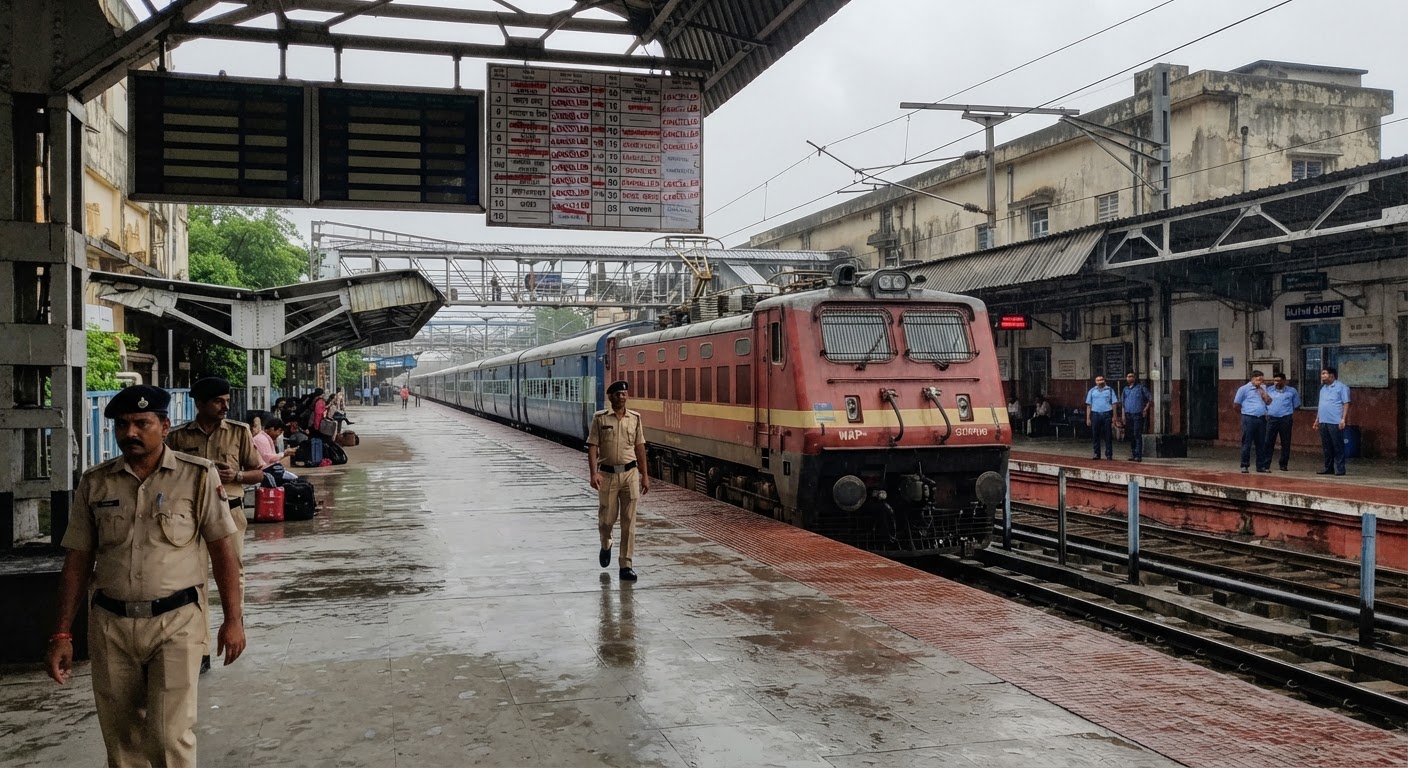
In a major move to ensure passenger safety, Indian Railways has announced massive Cyclone Arnab train cancellations, suspending 58 services as the storm approaches the Bay of Bengal coast. These precautionary measures are set to remain in effect from October 27 to October 30, 2026, due to the expected severe cyclonic conditions and heavy rainfall.
Severe Weather Alert: Cyclone Arnab Intensifies
According to the India Meteorological Department (IMD), the cyclone was reported at 2:30 PM IST on October 27, positioned approximately 140 km southeast of Kakinada and 170 km south of Visakhapatnam. The system is projected to make landfall between Bapatla and Visakhapatnam, near Yanam, during the forenoon of October 28, 2026.
Meteorologists warn of extreme weather conditions, with sustained wind speeds expected to reach 125-135 kmph and gusts potentially hitting up to 150 kmph.
Major Trains and Routes Affected
The cancellations primarily impact the South Coast and South Central Railway zones. Several prominent long-distance services have been suspended, including:
- Falaknuma Superfast Express
- New Visakha Express
- Godavari Superfast Express
- Garib Rath Superfast Express
Additionally, the Bhubaneswar–Jagdalpur Hirakhand Express will undergo short-termination or rescheduled origins from Rayagada through October 31.
Key Transit Hubs Under Suspension
Passenger services connecting several vital transit hubs and stations have also been halted. The affected areas include:
- Vijayawada and Rajahmundry
- Narsapur and Machilipatnam
- Gudivada and Bhimavaram
- Kakinada Port, Guntur, Repalle, and Tenali
Railway Authorities on High Alert
To manage the potential crisis, railway officials have established 24x7 'war rooms' to monitor the situation in real-time. Authorities have implemented heightened surveillance across vulnerable tracks, bridges, and signaling systems. Officials are currently keeping a close watch on water levels and the overall integrity of the infrastructure to ensure the safety of all rail operations.