Delhi-Guwahati Bullet Train: Siliguri Corridor Hurdles
The Delhi-Guwahati Bullet Train project faces massive engineering challenges at the Siliguri Corridor, potentially requiring tunnels or elevated tracks.
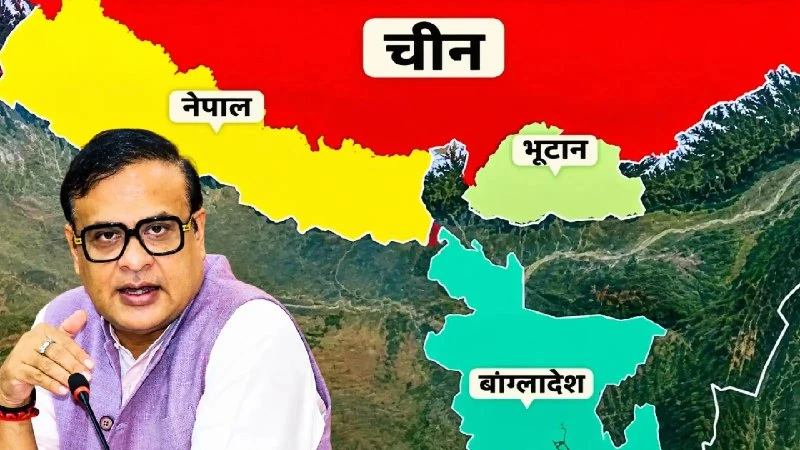
The proposed expansion of the Northern Bullet Train Corridor to connect Delhi with Guwahati has received official approval from the Government of India. However, Assam Chief Minister Himanta Biswa Sarma has highlighted significant technical challenges that could impact the project's complexity and cost.
The Vision for High-Speed Connectivity
Under the leadership of Prime Minister Narendra Modi, this ambitious project aims to revolutionize travel in the Northeast. The proposed route is designed to link several major cities, including:
- Delhi
- Agra
- Kanpur
- Lucknow
- Ayodhya
- Varanasi
- Prayagraj
- Patna
- Siliguri
The 'Chicken's Neck' Bottleneck
The primary obstacle lies in the Siliguri Corridor, a narrow stretch of land often referred to as the 'Chicken's Neck.' This 16 to 22-kilometer section presents unique engineering constraints due to limited land availability and the presence of existing national highways and railway tracks.
Because the high-speed rail line cannot operate on the current infrastructure, officials are evaluating specialized construction methods to navigate this bottleneck. These include:
- The construction of elevated tracks.
- The development of underground tunnels.
CM Sarma indicated that these specialized engineering requirements will likely cause the project to require two to three times the investment of a standard high-speed rail development.
Planning and Next Steps
The project is currently in the planning and feasibility stage. The Ministry of Railways, headed by Union Railway Minister Ashwini Vaishnaw, is responsible for finalizing route alignments, construction timelines, and cost estimates. CM Sarma plans to hold further discussions with Minister Vaishnaw regarding these technical nuances during his next visit to Delhi.
Once completed, the high-speed rail network is expected to reduce the travel time between Delhi and Guwahati to under eight hours, effectively integrating the Northeast region into India’s high-speed rail connectivity.