Delhi-Guwahati Bullet Train: PM Modi Approves Mega Corridor
PM Modi approves the high-speed Delhi-Guwahati Bullet Train corridor, reducing travel time to under 8 hours via major cities like Varanasi and Patna.
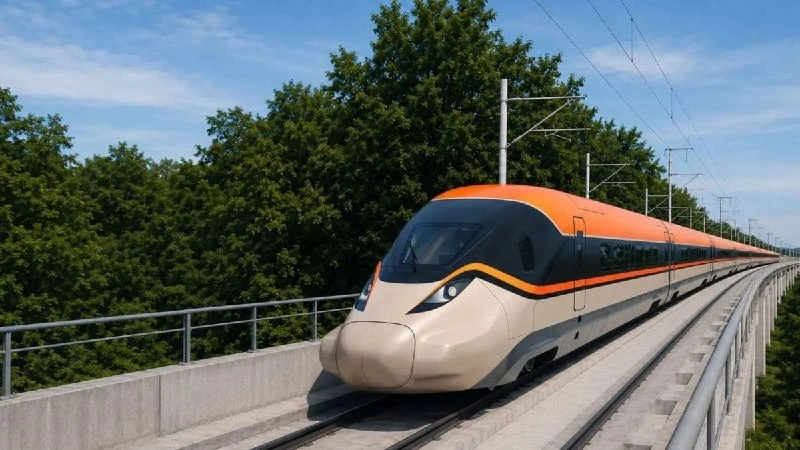
Prime Minister Narendra Modi has officially sanctioned the development of the Northern Bullet Train Corridor, a massive high-speed rail project set to transform connectivity between Delhi and Guwahati. The landmark announcement was made by Railway Minister Ashwini Vaishnaw on October 31, 2026.
Extension to Guwahati Boosts Northeast Connectivity
While the corridor was originally designed to terminate in Siliguri, the project scope has been significantly expanded. Following formal requests and strategic discussions held in July 2026 between Assam Chief Minister Himanta Biswa Sarma and the Railway Minister, the high-speed link will now extend all the way to Guwahati. This extension is expected to provide a massive boost to economic growth and accessibility in the Northeast region.
The High-Speed Route: Major Cities Connected
The new corridor will serve as a lifeline for several major urban centers, drastically reducing the distance between the capital and the eastern frontier. The high-speed rail will pass through the following key locations:
- Delhi
- Agra
- Kanpur
- Lucknow
- Ayodhya
- Varanasi
- Prayagraj
- Patna
- Siliguri
- Guwahati
Travel Time Under 8 Hours and Affordable Fares
Once the project is completed, the transit time between Delhi and Guwahati is expected to plummet to less than eight hours. To ensure that high-speed travel is not limited to a small segment of the population, the government has expressed its intention to keep ticket fares lower than existing airfares, making it a competitive and efficient mode of transport.
A Part of India's Grand Railway Vision
This project is not an isolated development but a crucial component of a broader national blueprint. As outlined in the Union Budget 2026-27, the government aims to develop seven high-speed corridors across the country to modernize the nation's infrastructure.
Emphasizing the Make in India initiative, Minister Vaishnaw confirmed that the project will rely heavily on domestic manufacturing. All essential infrastructure components, including critical elements such as pillars and girders, will be produced within India, supporting local industries and technological self-reliance.