Delhi HC Orders Crowd Management Reviews for Railway Events
Delhi High Court mandates advance crowd management reviews at major railway stations to prevent stampedes and ensure passenger safety.
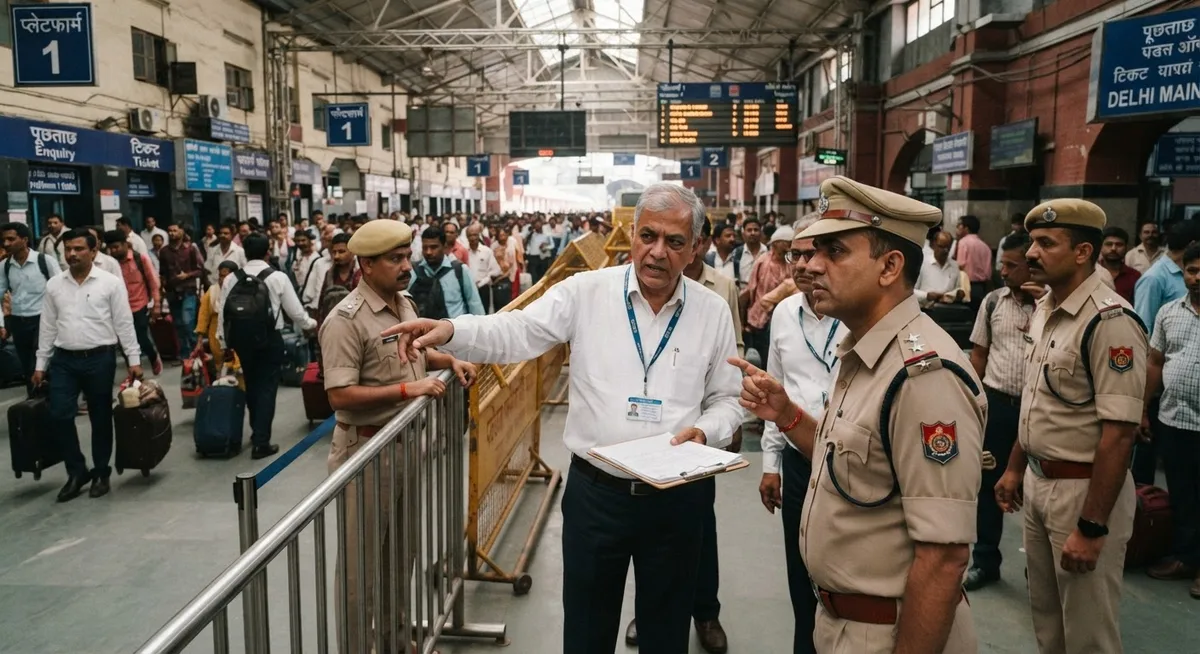
The Delhi High Court crowd management mandate requires senior railway officials to conduct comprehensive assessments before any major event to ensure passenger safety. In a significant legal directive, Justice Amit Mahajan has ordered that these reviews must be carried out in close collaboration with the Delhi Police and other relevant agencies.
To prevent chaos during high-traffic periods, the court has specified that these crowd management reviews must be completed at least one week prior to any occasion expected to draw large passenger footfalls.
Lessons from the New Delhi Stampede
This judicial intervention follows a tragic stampede that occurred at the New Delhi Railway Station on February 15, 2025. The incident resulted in 18 deaths and 15 injuries, highlighting critical gaps in safety execution. The court emphasized that the success of existing Standard Operating Procedures (SOPs) is entirely dependent on rigorous, ground-level execution rather than just paperwork.
As a result, officials have been strictly instructed to adhere to specific Railway Board directives issued on the following dates:
- May 1, 2025
- May 30, 2025
- July 2, 2025
- November 28, 2025
- December 16, 2025
Mandatory Reporting and Documentation
To ensure accountability, the court has mandated that authorities prepare and maintain formal written reports. These documents must detail all crowd control arrangements and the specific steps taken to manage passenger flow. These records must be kept ready for inspection by relevant authorities or the court whenever required.
Managing Massive Passenger Density
The scale of the challenge is evident in recent data. On October 24, 2025, the New Delhi Railway Station experienced a massive daily passenger density of 329,527 individuals. To manage such overwhelming numbers, the court highlighted the importance of utilizing existing infrastructure, such as Yatri Suvidha Kendras (passenger holding areas), to streamline movement and prevent dangerous overcrowding.