Delhi Lodhi Colony Railway Station Holds Deep Historical Ties to the 1947 Partition
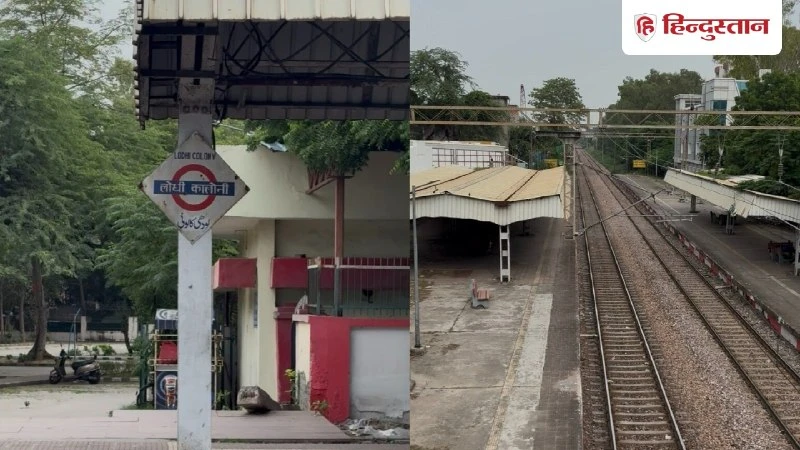
Lodhi Colony Railway Station with the station code LDCY stands as a poignant living memory of the turbulent 1947 India-Pakistan partition when it acted as a vital lifeline for thousands of displaced refugees journeying toward Lahore. Amidst the chaos of independence, this modest station managed the departures of crucial special evacuation trains. Among the many who passed through its gates was Jawan Bakht, the father of the well-known former Pakistani cricketer Sikander Bakht. Historical accounts from Ravinder Kumar, a historian and former Railway Board official, highlight that railway authorities meticulously coordinated train schedules back then. The primary goal was to ensure refugee trains safely crossed the border and reached Lahore before sunset, protecting passengers from frequent attacks during those dark times.
A Frozen Timeless Structure in Modern Delhi
Even as the national capital underwent massive urban redevelopment and modernization over the decades, the core physical architecture of the Lodhi Colony Railway Station has remarkably stayed the same. Despite its heavy historical significance, the station is today regarded as a largely forgotten landmark tucked away within the sprawling Delhi suburban railway network. Passenger operations at the facility are practically non-existent today. According to classifications by RailYatri, it is officially designated as a Grade O station, meaning no passenger trains currently stop at this platform. Today, travellers and casual visitors will typically find the premises deeply quiet and mostly desolate, offering a stark contrast to its bustling and emotional past as a gateway for migration.