Delhi Protests: 250 Trains Cancelled, Huge Losses Reported
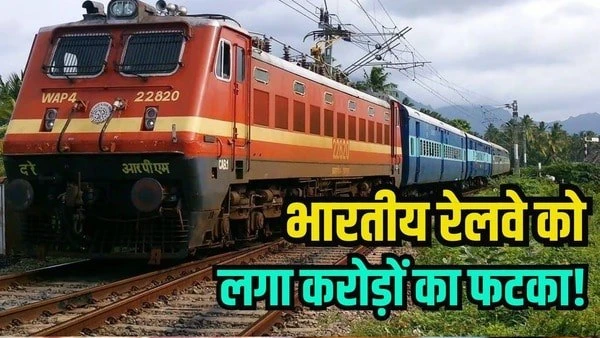
The national capital witnessed massive rail disruption as protests by the Cockroach Janta Party (CJP) forced the cancellation of approximately 250 trains. This sudden halt in services has not only inconvenienced thousands of travelers but has also dealt a massive financial blow to both Indian Railways and its passengers.
Scale of the Rail Shutdown
According to Northern Railway Chief Public Relations Officer Himanshu Shekhar Upadhyay, the cancellations heavily impacted both long-distance and local services. The breakdown of the halted services is as follows:
- 75 Mail/Express trains
- 170 Passenger services
The disruptions primarily affected trains departing after 2:00 PM on October 9 and those scheduled to arrive at New Delhi and Hazrat Nizamuddin stations between 4:00 AM and 2:00 PM on October 10.
The Financial Toll
The economic impact of these cancellations is staggering. It is estimated that Indian Railways faced a financial burden exceeding 12 crore rupees. Furthermore, passengers suffered an estimated loss of approximately 1 crore rupees due to disrupted travel plans and missed connections.
Reason Behind the Protests
The Railway Board took the proactive decision to cancel these services following intelligence reports and traffic advisories regarding the CJP protest. The group was demanding the removal of Chief Election Commissioner Gyanesh Kumar. The Ministry of Railways stated that these measures were necessary to prevent even greater passenger hardship, noting that over 5,000 passengers had already missed trains on October 8 due to earlier traffic issues.
Widespread Criticism and Legal Intervention
The decision to suspend such a large number of trains has drawn sharp criticism from industry experts and railway unions. The scale of the disruption has been compared to the most severe periods of transit halts in recent history.
"Such a scale of cancellations has not been seen since the COVID-19 lockdowns," stated Shiv Gopal Mishra, General Secretary of the All India Railwaymen's Federation (AIRF).
Former Railway Board Member (Engineering) Subodh Jain was equally critical, describing the move as "surrendering to protesters."
In addition to the rail chaos, the Delhi Metro Rail Corporation (DMRC) restricted access to 57 stations at the request of the Delhi Police. Amidst the turmoil, the Supreme Court intervened, directing authorities to regulate transit services rather than completely suspending them to minimize public inconvenience. By Sunday, October 11, 2026, Northern Railway confirmed that operations had finally returned to normal.