Railway safety boost: Kavach technology to be installed on 631 km of East Coast Railway routes
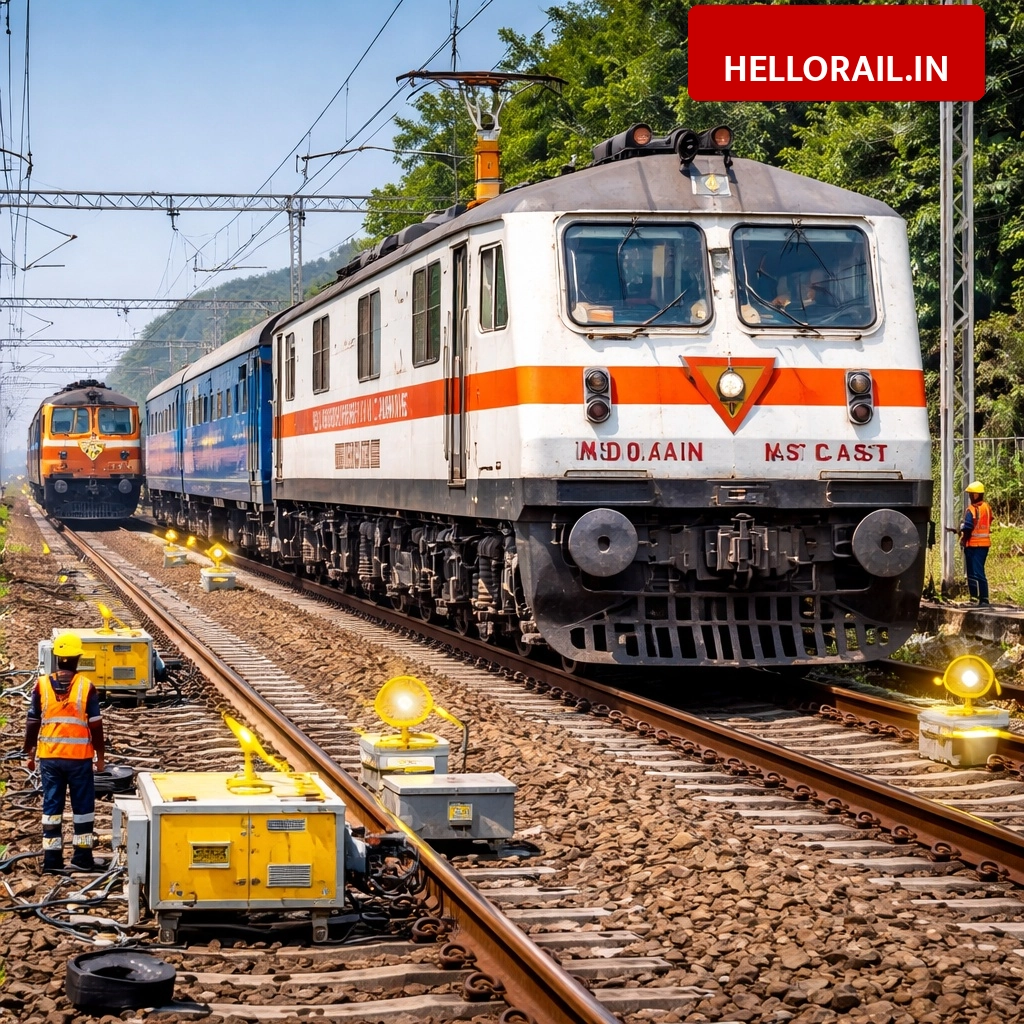
The Ministry of Railways has approved the installation of the indigenous train protection system ‘Kavach’ over 631 route kilometers of the East Coast Railway (ECoR) network. This announcement was made on Monday, June 22, 2026. The project aims to make train travel safer by preventing accidents caused by human error or poor visibility.
🗞️: Railway Board Approval: Train operations to start on Ghatoli to Nayagaonpura section।
Which routes will get the Kavach system?
The safety system will be deployed across six important rail sections under the East Coast Railway zone. These include:
| Section Name | Coverage |
|---|---|
| Baghuapal-Budhapank | Included |
| Haridaspur-Paradip | Included |
| Khurda Road-Balangir | Included |
| Naupada-Gunupur | Included |
| Lanjigarh Road-Junagarh | Included |
| Bobbili-Salur | Included |
How will Kavach improve passenger safety?
Kavach is an Automatic Train Protection (ATP) system developed by RDSO. It is designed to prevent Signal Passing at Danger (SPAD) and collisions between trains. The system constantly monitors train movements and will automatically apply brakes if the driver fails to do so or if the train exceeds the speed limit.
This technology will be especially helpful during heavy fog and bad weather, ensuring that trains can operate safely without risking collisions. The project will cost approximately ₹270 crore and will benefit both passenger and goods trains in Odisha and neighboring areas.
Frequently Asked Questions (FAQs)
What is the cost and scope of the Kavach project in ECoR?
The project will cost approximately ₹270 crore and will cover 631 route kilometers across six key sections of the East Coast Railway.
How does the Kavach system prevent accidents?
It prevents collisions and Signal Passing at Danger (SPAD) by monitoring train speed and movements, automatically applying brakes when necessary.