Eastern Dedicated Freight Corridor transforms logistics and industrial growth in Bihar
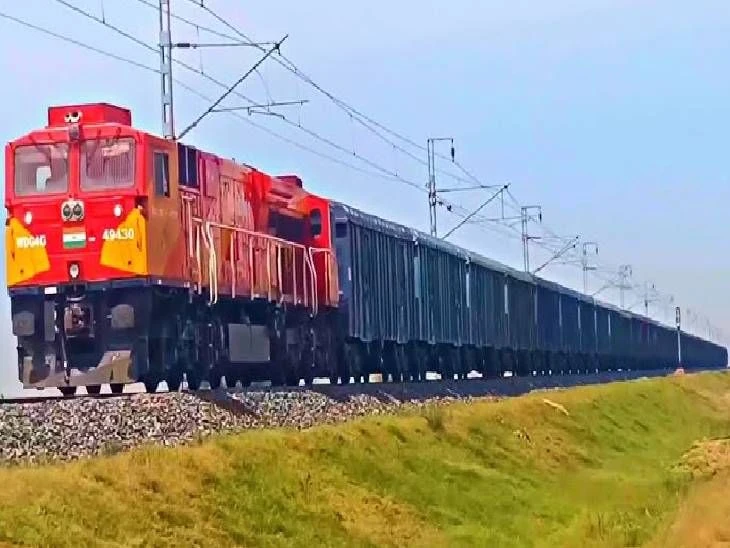
The Eastern Dedicated Freight Corridor is transforming freight transportation across Bihar by significantly improving speed, capacity, and logistical reliability to drive industrial and economic growth. Approximately 99 kilometers of this critical infrastructure passes through Bihar, with the connection to Sonnagar serving as a vital nexus for the state's trade and industrial sectors. This development marks a major milestone for regional commerce and heavy goods movement.
The Eastern Dedicated Freight Corridor is part of a larger 2,843-kilometer Dedicated Freight Corridor network, which is now fully operational. The 1,337-kilometer eastern segment stretches from New Sahnewal in Punjab, through Haryana and Uttar Pradesh, terminating at New Sonnagar in Bihar. This fully electrified and dedicated track system enables heavy freight trains to transport agricultural produce, raw materials, and industrial goods with much greater efficiency and lower overall costs.
Boosting Power Supply and Freight Operations
The operational corridor has facilitated a record increase in freight movement between eastern coal mines and major industrial zones. This ensures a steady and uninterrupted supply of coal to thermal power plants across Bihar, Jharkhand, West Bengal, and eastern Uttar Pradesh. According to the Dedicated Freight Corridor Corporation of India Limited, as of August 31, 2026, the network has successfully handled approximately 5.21 lakh freight train trips, averaging 435 trains per day. These robust operations have generated approximately 658 billion Gross Tonne Kilometres and 360 billion Net Tonne Kilometres.
Future Railway Investments in Bihar
Beyond the Eastern Dedicated Freight Corridor, rail infrastructure in Bihar is receiving substantial new investments. These include the approval for the Danapur-Fatuha multi-tracking project, which aims to substantially increase line capacity in the Patna region. Furthermore, Indian Railways is actively planning the development of six new freight corridor lines totaling 647 kilometers. These upcoming projects will utilize a Hybrid Annuity Model to attract private investment and support the smooth operation of superfast goods trains in the future.