Hydrogen Train's Low Ridership: Indian Railways Plans Delhi Extension to Boost Numbers!
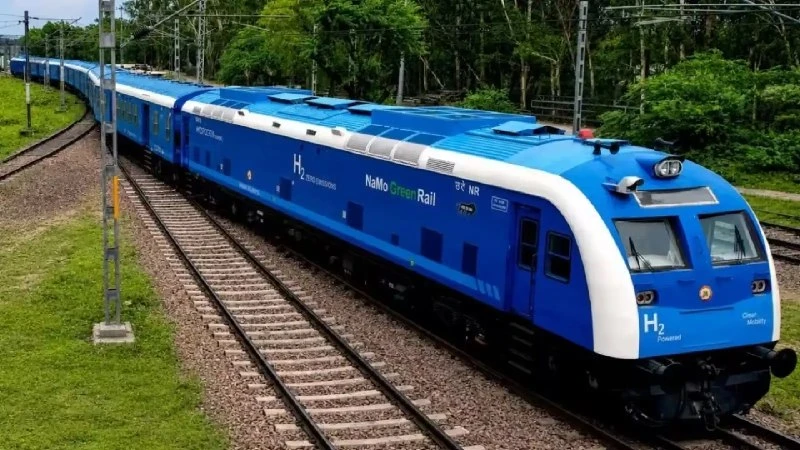
India's pioneering indigenous hydrogen-powered train is facing a significant challenge: empty coaches. Currently operating on the 89-kilometer Jind-Sonipat route in Haryana, the high-tech service is struggling to attract a steady stream of commuters, prompting Indian Railways to consider a strategic extension toward Delhi to save the service.
The Capacity Gap: 2,600 Seats vs. 60 Passengers
The 10-coach hydrogen train is a massive technological undertaking, designed with a maximum capacity of 2,600 passengers. However, the actual daily ridership has been underwhelming, with only 40 to 60 commuters using the service. This lack of demand has forced the service to scale back, operating just one return trip per day instead of the originally intended two daily trips.
Railway officials noted that this low occupancy is consistent with previous DEMU services on this specific route, which also struggled due to a lack of a significant base of industrial or office-going commuters.
Targeting Delhi's Azadpur Wholesale Market
To breathe new life into the project, Indian Railways is looking at extending the route to Azadpur station in Delhi. The plan is to tap into the high volume of people traveling to and from the major wholesale market in Azadpur, which could provide the much-needed passenger base.
From a technical standpoint, the extension is highly feasible. The train has a fuel range of 250 to 300 kilometers on a full tank, making the approximately 130-kilometer journey to Delhi well within its operational limits. However, a logistical hurdle remains: the only existing hydrogen refueling infrastructure is currently situated in Jind.
Technical Success and Speed Upgrades
Despite the ridership issues, the technical execution of the project has been a success. Northern Railways has successfully managed the service for two months, a milestone recognized by officials. On September 19, 2026, Prime Minister Narendra Modi hailed the project as the world's longest hydrogen-fueled passenger rail service.
Regarding performance, Railway Board Chairman and CEO Satish Kumar confirmed that while the train is currently running at 75 kmph, there are active efforts to increase its operational speed to 110 kmph. This follows successful trials where the train reached speeds of 120 kmph.
A Proposed Industrial Circuit
Beyond the Delhi extension, local stakeholders have proposed an alternative solution to improve utilization. They have suggested a 180-kilometer circuit that would connect Jind, Sonipat, Panipat, and Safidon. This route is designed to capitalize on the heavy industrial activity in Panipat, potentially providing a more reliable commuter base.
While these plans are being discussed, a final decision on the Delhi extension will only be made once a thorough safety assessment is completed by the expert team currently monitoring the operations.