India Faces Coal Logistics Strains As 58 Power Plants Report Shortage
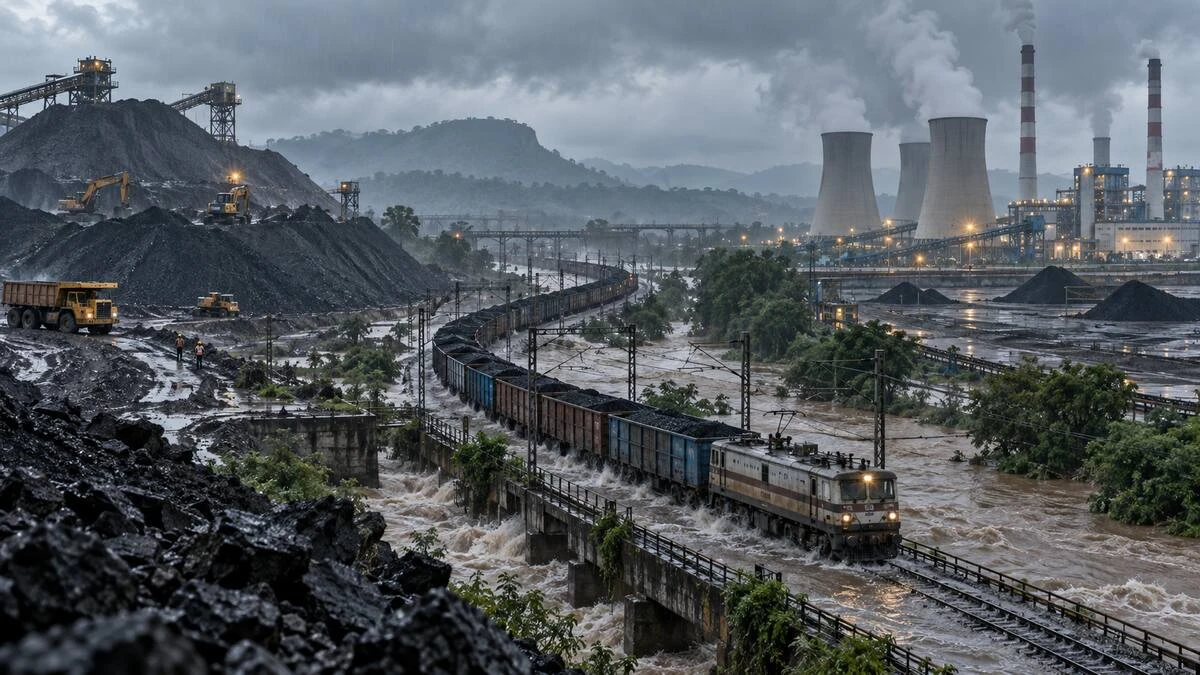
Heavy monsoon rains have severely disrupted coal transport across India, leaving 58 thermal power stations with critically low fuel inventories by September 5 to 6, 2026. This situation highlights a logistical bottleneck where surplus coal sits at mine pitheads while power plants struggle to maintain necessary stock levels.
Data from the Central Electricity Authority report shows that 190 thermal plants, which have a total capacity of 223,868 MW, held 26.9088 million tonnes of coal as of September 5. This figure is significantly below the required 57.6771 million tonnes, reaching only 46 percent of the official benchmark. According to the Central Electricity Authority daily report, the tentative plant load factor for this month stands at 49 percent.
Categorisation of Critical Plants
A facility is classified as critical when its coal inventory drops below 25 percent of the normative requirement. Reporting from Energy Watch notes that out of the 58 stations facing shortages, 53 rely on domestic coal, four use imported coal, and one utilizes washery rejects. Sectoral breakdowns reveal that 24 state-sector plants are currently critical, compared to nine central plants and 20 domestic-coal-based independent power producers. Inventory levels for state generators are at 39 percent of the norm, whereas central plants hold 49 percent and independent producers maintain 47 percent.
Response to Supply Chain Failures
The Ministry of Coal reported a steady increase in rake loading for the power sector over four consecutive days, starting with 370 rakes on September 3 and reaching 444 on September 6. Daily production by Coal India improved to roughly 1.83 million tonnes on September 6, marking a 35 percent rise from the early September average. Average daily dispatch to the power sector also climbed to approximately 1.7 million tonnes, a 24 percent increase. Specific contributions to this effort include Mahanadi Coalfields providing 111 rakes, captive blocks supplying 72 rakes, private washeries and goods sheds contributing 42 rakes, Northern Coalfields sending 35 rakes, and Bharat Coking Coal managing 25 rakes.
Impact of Monsoon Conditions
Heavy rain in Odisha, Jharkhand, and Chhattisgarh forced mine operators to prioritize water removal and overburden clearing before resuming standard extraction. Wet weather frequently slows the movement of coal from mine faces to crushers and eventually to rail wagons. The government has attempted to mitigate these delays by offering generators additional coal beyond their monthly agreements and prioritizing delivery for plants capable of road transport.
Broader Energy Security Context and Next Steps
Official records from the Power Ministry in July indicated that coal and lignite capacity reached 230.8 GW, supplying nearly 70 percent of India electricity needs between April and June. While aggregate national stocks reached 42.8 million tonnes on July 12, current shortages demonstrate that national figures can hide specific regional or plant-level risks. A station situated far from a mine faces different operational hurdles than one located directly beside a pithead. Future stability depends on whether the recent surge in rail loading successfully reaches individual power stations. Authorities will monitor whether the number of critical plants declines as shipments arrive. Success will be measured by the ability of utility providers to rebuild stocks and maintain reliable electricity generation during peak demand hours. Detailed reports are available via the Central Electricity Authority and through recent coverage from Financial Express.