India to Build Domestic TBMs to Counter China Export Rules
Minister Ashwini Vaishnaw announces a push for domestic Tunnel Boring Machine production to counter China's export restrictions on critical machinery.
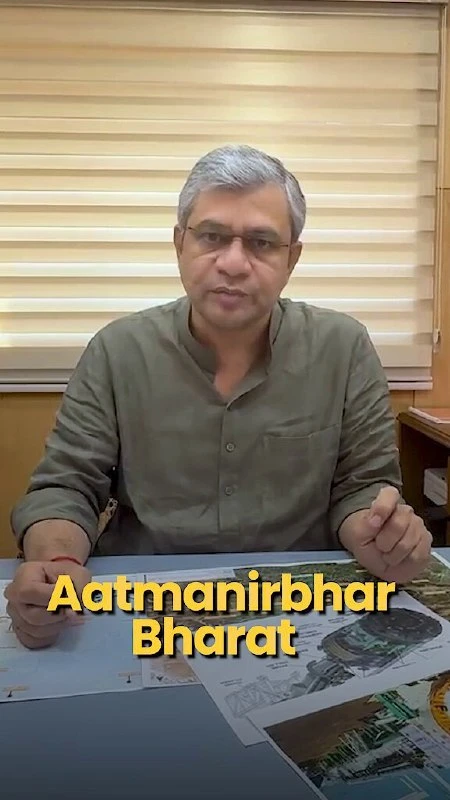
Union Railway Minister Ashwini Vaishnaw has announced a strategic move to establish a comprehensive domestic ecosystem for Tunnel Boring Machines (TBMs). Under the Atmanirbhar Bharat initiative, India aims to master the entire lifecycle of these critical machines, including design, manufacturing, and maintenance.
The China Export Threat
This push for self-reliance comes at a critical time for India's infrastructure sector. China's Ministry of Commerce recently announced new export controls on TBM-related equipment, which were announced on October 19, 2026, and are set to take effect on November 18, 2026. These restrictions mandate strict export licenses, creating potential supply chain vulnerabilities for India's massive infrastructure pipeline.
Without a domestic alternative, several high-priority projects could face significant delays, including:
- Extensive Metro networks across major urban centers.
- Critical highway tunnel constructions.
- The Mumbai-Ahmedabad High-Speed Rail Corridor.
A Massive Investment Push
To mitigate the risk of relying on foreign manufacturers, the Indian government is advancing a proposed USD 1.2 billion incentive scheme. This scheme is designed to catalyze the domestic production of heavy construction and infrastructure equipment.
The government's long-term vision is ambitious, aiming to attract USD 1.8 billion in fresh investments into the sector over the next seven years. This initiative seeks to build long-term supply chain excellence and reduce dependence on foreign manufacturers for these vital components.
Industry Leaders Step Up
The shift toward indigenous production is already gaining momentum among major players. Domestic heavyweights such as BEML and L&T are increasingly focusing on developing local manufacturing capabilities to meet national demand.
Even global leaders are reacting to India's growing requirements. Manufacturers like Herrenknecht are exploring ways to localize their operations within India to better support the nation's rapidly expanding infrastructure and high-speed rail projects.