India's First LNG Dual-Fuel DEMU Train Debuts in Gujarat
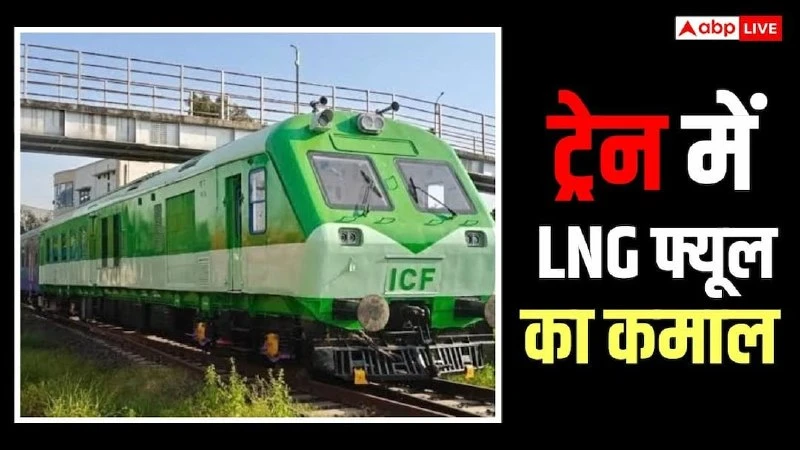
Indian Railways has achieved a significant milestone in sustainable transportation with the official launch of the country's very first LNG dual-fuel DEMU train. This technological advancement marks a major step toward a greener and more self-reliant rail network in India.
A Landmark Launch at Sabarmati
The historic service was flagged off on September 27, 2026, at the Sabarmati Station. The ceremony was led by Union Home and Cooperation Minister Amit Shah, alongside Gujarat Chief Minister Bhupendra Patel. This new service will operate on the route between Sabarmati and Mahesana, providing a more eco-friendly commuting option for the region.
Advanced Dual-Fuel Technology and Specifications
The implementation of this technology involved sophisticated engineering at the Sabarmati depot, where two 1,400-horsepower Diesel Electric Multiple Unit (DEMU) Driving Power Cars (DPC) were modified. Key technical features of the new system include:
- Cryogenic Storage: The units are equipped with high-capacity 2,200-liter cryogenic LNG tanks.
- Fuel Versatility: The dual-fuel system allows the train to run on both LNG and diesel, providing the flexibility to switch between fuels as required.
- Efficiency Gains: The LNG system is designed to replace approximately 40% of traditional diesel consumption.
- Extended Range: A single tank provides a travel range of nearly 2,200 kilometers.
Before the official rollout, the modified power cars underwent rigorous testing, successfully completing field trials that covered more than 2,000 kilometers, according to Ahmedabad Divisional Railway Manager Ved Prakash.
Driving Towards Zero Diesel Consumption
This initiative is part of a larger strategic vision to reduce the environmental footprint of the railways. Minister Amit Shah noted a significant downward trend in fuel usage, stating that diesel consumption has dropped from 293 crore liters in 2015-16 to 108 crore liters in 2024-25. The ultimate goal for Indian Railways is to reach zero diesel consumption by 2030.
The transition to LNG is expected to yield several benefits:
- Environmental Protection: A reduction in the emission of carbon dioxide (CO2), nitrogen oxide (NOx), and particulate matter (PM).
- Economic Savings: Railway authorities estimate that this initiative will result in annual savings ranging from ₹12 lakh to ₹24 lakh.
This move aligns with India's national energy objectives, which aim for a 60% growth in natural gas demand by 2030 compared to 2023 levels.
Massive Infrastructure and Safety Upgrades
Alongside the launch of the new train, several major infrastructure projects valued at over ₹1,542 crore were inaugurated. These developments include the expansion of the Kavach safety system for automatic train protection and the establishment of a new maintenance shed for WAG-12 locomotives, further strengthening the nation's rail capabilities.