Indian Railways Update: India becomes world’s second largest electrified rail network
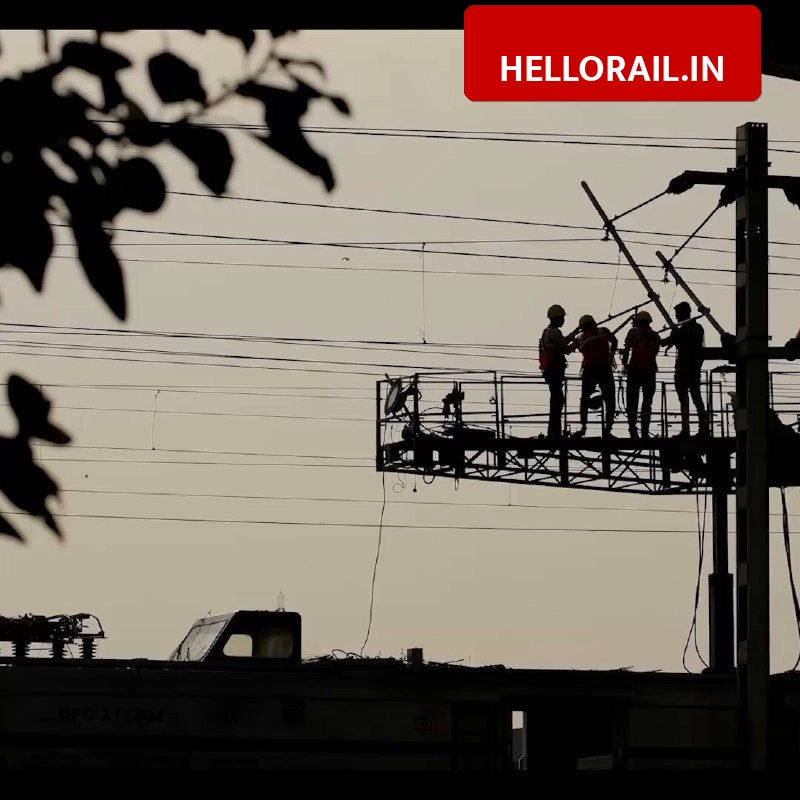
Indian Railways has achieved a major milestone by becoming the second largest electrified rail network in the world. Union Minister Ashwini Vaishnaw and the Ministry of Railways announced this update on June 10, 2026. The network has seen a massive jump in electrification speed over the last 12 years.
How much rail network was electrified?
The pace of electrification increased significantly after 2014. While it took 60 years to electrify 21,801 km until 2014, the government added over 48,000 route kilometers in just 12 years. As of May 31, 2026, a total of 70,002 Rkm out of 70,271 Rkm of Broad Gauge lines are now electrified.
| Period | Electrification Progress |
|---|---|
| Until 2014 | 21,801 km (took 60 years) |
| 2014 to 2026 | 48,000+ Rkm added |
| Total as of May 2026 | 70,002 Rkm |
| Daily pace (2004-2014) | 1.42 km per day |
| Daily pace (2019-2025) | 15+ km per day |
Which states are still pending for 100% electrification?
Currently, 99.6% of the Broad Gauge network is electrified. Twenty-five States and Union Territories have already completed 100% electrification. Only 269 Rkm of work remains pending across five states, which are Rajasthan, Tamil Nadu, Assam, Karnataka, and Goa.
What are the future targets of Indian Railways?
The Ministry of Railways aims to complete 100% electrification of the network by the fiscal year 2025-26. Along with this, the government has set a target for Indian Railways to become a net-zero emission railway by the year 2030.
Frequently Asked Questions (FAQs)
How much of the Broad Gauge network is now electrified?
As of May 31, 2026, 70,002 Rkm out of 70,271 Rkm have been electrified, which is over 99.6% of the network.
What is the target for net-zero emissions in Indian Railways?
The government has announced the goal to make Indian Railways a net-zero emission railway by 2030.