Indian Government Approves Massive Railway Modernization Plan For Seven High Density Corridors
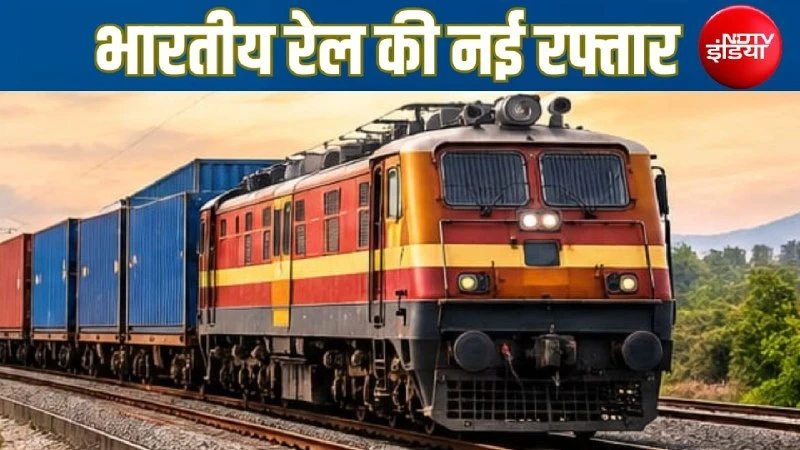
The Indian government has launched a massive infrastructure overhaul aimed at decongesting busiest rail routes, increasing train speeds, and establishing dedicated freight corridors. On September 9, 2026, the Union Cabinet approved a comprehensive modernization plan focused on the four-tracking of seven key high-density rail corridors. These routes currently carry approximately 40% of India's total railway traffic. Union Minister Ashwini Vaishnaw shared details of the initiative covering the Golden Quadrilateral routes of Delhi-Mumbai, Mumbai-Chennai, Chennai-Kolkata, and Kolkata-Delhi, along with the Delhi-Chennai and Mumbai-Kolkata diagonal lines and the Delhi-Guwahati corridor. Progress reports show that four-tracking is complete on 2,000 kilometers of this network, with work underway or approved for another 5,000 kilometers, while detailed project reports are being prepared for the remaining 4,000 kilometers.
Expansion Projects and Financial Outlays
In addition to the high-density plans, the Cabinet approved three multi-tracking railway projects at an estimated cost of ₹10,783 crore, adding 656 kilometers to the Indian railway network. Furthermore, eight additional railway projects worth over ₹20,800 crore were cleared to expand track capacity by 540 kilometers in Southern India while enhancing connectivity across Chhattisgarh, Jharkhand, Madhya Pradesh, Odisha, and West Bengal. Prime Minister Modi has emphasized the completion of the Dedicated Freight Corridor (DFC) network as a transformative step for logistics. Following the inauguration of the final segments of the Western Dedicated Freight Corridor (WDFC), a 326-kilometer stretch was finalized, bringing both the Eastern and Western DFCs into full operation. The DFCs have significantly reduced transit times as a freight train that previously covered 100 kilometers in 6.5 hours now achieves the same distance in less than half the time. Currently, more than 430 freight trains operate daily across these corridors, fostering fuel efficiency and faster transport for agricultural produce and industrial goods.