Indian Railways to launch 7th generation engines and Amrit Bharat 3.0 by 2026
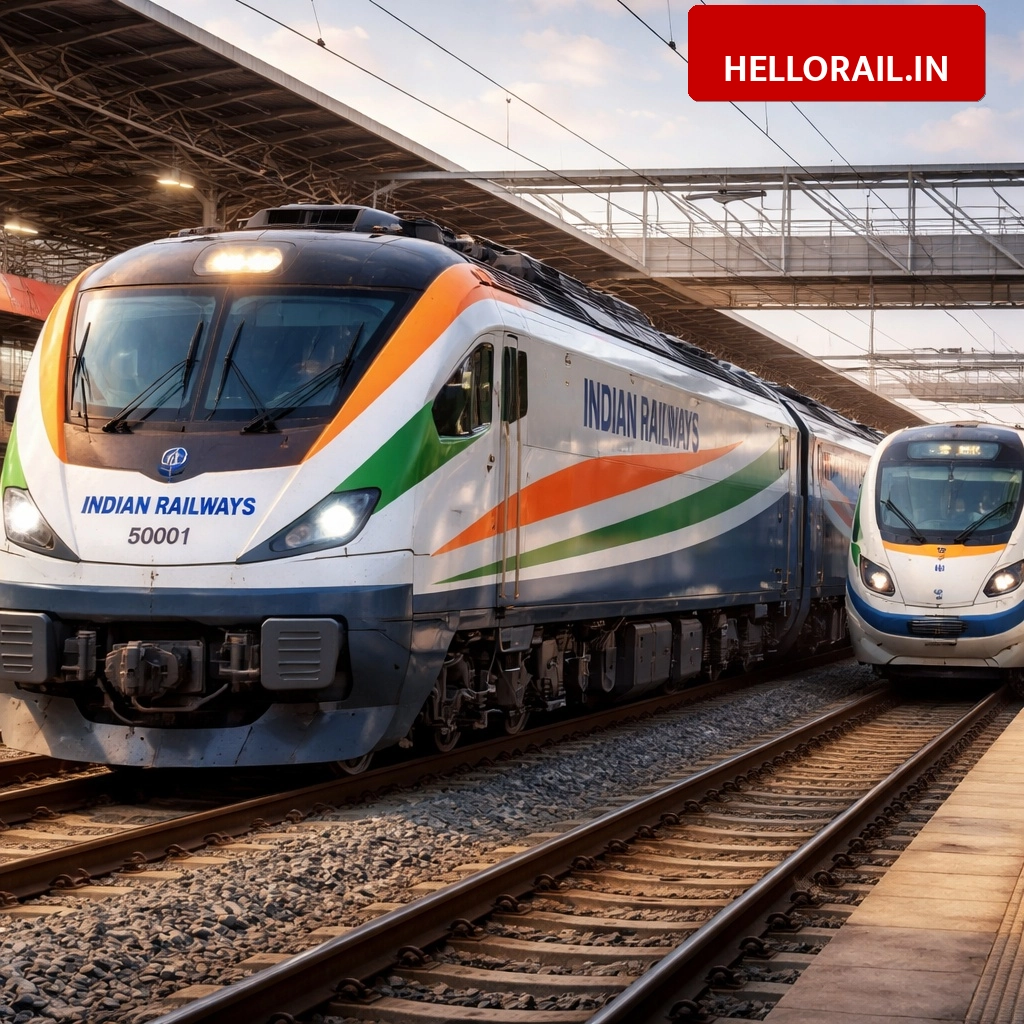
Indian Railways is preparing for a significant technological shift by introducing 7th generation engines and coaches. According to the latest production plan from the Ministry of Railways, nearly 492 passenger locomotives are scheduled for manufacture by 2026-27. These new developments aim to make rail travel faster, safer, and more comfortable for the general public, with a specific focus on the needs of middle-class and poor passengers.
What are the key features of the 7th generation engines and coaches?
The upcoming 7th generation locomotives, specifically the WAP-7AD model, are designed with an aerodynamic body to achieve higher speeds. These engines can reach a maximum speed of 180 km/h and are capable of pulling a 24-coach train at a consistent speed of 160 km/h. Additionally, the railway is working on the Amrit Bharat 3.0 version, which will include smart features and modern interiors for affordable long-distance travel.
- Modernized Coaches: New sample coaches for non-AC travel have been designed with improved furnishings and HL3 fire safety materials.
- WAP-7AD Engine: An advanced aerodynamic variant of the WAP-7 locomotive planned for 2025.
- Water Facilities: Cold water systems are being installed inside general coaches to help passengers during the summer heat.
- LHB Identification: A new system will identify LHB coaches by the name Indian Rail and a unique number to resolve maintenance disputes.
How have Indian trains evolved from the first generation?
The journey of Indian Railways began in 1853 with steam engines named Sahib, Sindh, and Sultan. These early engines were powered by coal and water, moving at very slow speeds while emitting heavy smoke. The coaches were made of wood with outward-opening doors and lacked basic amenities like fans or toilets. In contrast, the 7th generation trains are fully electric, made of stainless steel, and equipped with advanced safety systems like Kavach.
| Feature | 1st Generation (1853) | 7th Generation (Modern) |
|---|---|---|
| Engine Type | Steam (Coal-based) | Electric and Hydrogen |
| Coach Material | Wood | Stainless Steel (LHB) |
| Speed Range | Very Slow | 130 km/h to 180 km/h |
| Safety Features | Basic / None | Kavach and Anti-climbing LHB |
| Passenger Comfort | No fans or toilets | AC and Vacuum Toilets |