Indian Railways Announces Eight Major Reforms to Transform Freight and Infrastructure by 2026
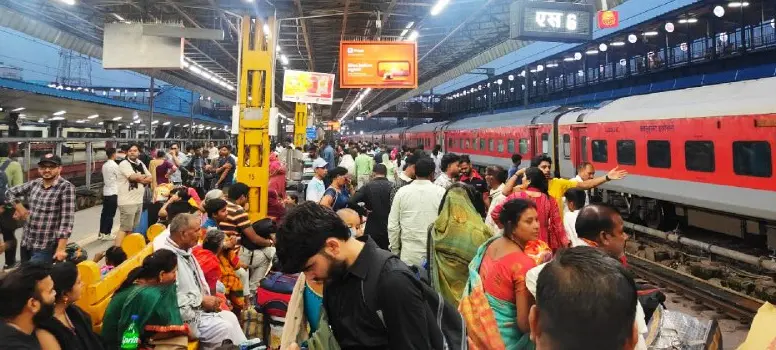
Indian Railways has unveiled eight strategic reforms under its ongoing “52 weeks, 52 reforms” campaign, marking a significant step toward modernizing the national network. These updates, set to take effect on July 14, 2026, aim to boost operational efficiency, enhance safety, and streamline logistics across the country. Railway Minister Ashwini Vaishnaw emphasized that these changes are part of a broader vision to establish Indian Railways as a world-class, modern rail network.
Key highlights of the new reforms include:
* Implementation of a flexible ‘Wagon Design Policy’ for customized freight transport.
* Mandatory skill certification for all workers engaged in railway construction projects.
* Introduction of special closed containers for eco-friendly fly ash transportation.
* Tightened performance security and insurance requirements for railway contractors.
* Launch of the ‘Rail Bhumi Portal’ to improve transparency in land management.
Revolutionizing Freight and Wagon Design
The new ‘Wagon Design Policy’ is a game-changer for industrial logistics. It allows private companies to design freight wagons specifically tailored to their cargo needs. For example, petroleum companies can now engineer specialized tank wagons to ensure safer and more efficient transport. The Research Design and Standard Organization (RDSO) will oversee design testing and theoretical approvals, while the Chief Commissioner of Railway Safety (CCRS) will issue final safety certifications. These designs will undergo rigorous testing over 50,000 kilometers for six months and will remain valid for a period of 20 years.
Stricter Standards for Construction and Labor
To ensure higher quality and safety in infrastructure, the Railways has introduced stringent rules for contractors. Companies are now required to deposit 10% performance security at the commencement of projects. Additionally, contractors must maintain both All Risk Insurance and Professional Indemnity Insurance. Eligibility for new contracts is also restricted; only firms with pending legal cases not exceeding 50 percent of their net worth will be permitted to bid. Furthermore, all workers on railway projects must pass mandatory skill testing and certification to ensure professional standards are maintained on-site.
Logistics and Environmental Initiatives
The reforms also address environmental and agricultural concerns. The mandatory use of special closed containers for fly ash will help mitigate pollution during transit from power plants. To support the agricultural sector, fertilizer transportation will be facilitated through containers, with fares set per ton per kilometer to ensure timely and cost-effective delivery to farmers. Finally, a unified licensing system has been introduced to encourage broader participation in container operations, further integrating the rail network into the global logistics supply chain.