Indian Railways extends hydrogen train trials to connect Jind with New Delhi
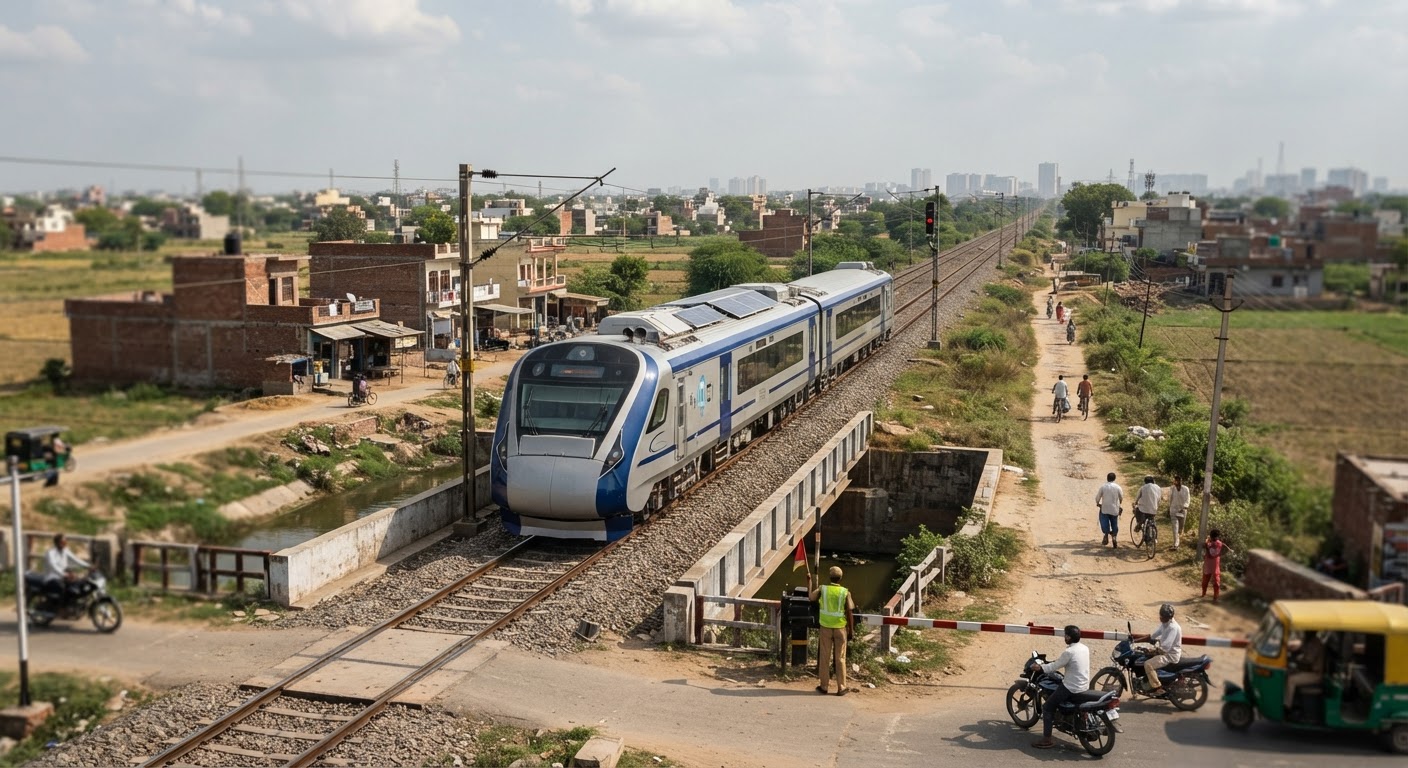
Indian Railways is advancing its green transport mission by expanding the scope of its hydrogen-powered train trials to connect Jind directly to New Delhi. This major infrastructure update aims to transform regional connectivity while prioritizing eco-friendly travel across the network.
Indian Railways is expanding its hydrogen train trials from the Jind-Sonipat section to a larger 270-kilometer triangular route connecting Jind to New Delhi via Sonipat, Rohtak, and Sabzi Mandi. Manufactured by the Integral Coach Factory in Chennai, the 10-coach hydrogen fuel cell trainset successfully completed high-speed trials at 120 kmph on June 26, 2026. The project features a 1,200 HP engine and produces only water vapor as an emission, supported by a 1 MW green hydrogen plant at Jind built by Green H Electrolysis. With ₹136 crore initially sanctioned, Indian Railways plans to deploy 35 such trains to achieve net-zero carbon emissions by 2030 under the Atmanirbhar Bharat initiative.
Expanding the Hydrogen Route for Better Connectivity
The decision to extend the hydrogen train service to New Delhi is designed to increase daily connectivity for commuters, students, and traders. The existing line has faced challenges with low passenger numbers, but routing the service through major hubs like Rohtak and Sabzi Mandi is expected to significantly boost ridership and make clean travel accessible to a broader section of the public.
Cutting-Edge Technology and Safety Approvals
Technological progress on the project has been swift. The hydrogen fuel cell technology is supplied through a partnership between Medha Servo Drives and Ballard Power Systems. The fueling infrastructure at Jind is fully backed by a local green hydrogen production and refuelling plant licensed by the Petroleum and Explosives Safety Organisation.
Following official approval from the Railway Board on May 22, 2026, and rigorous safety audits conducted by Germany’s TUV-SUD, the project is moving closer to commercial readiness. Furthermore, the Research Designs and Standards Organisation has finalized the comprehensive operational and maintenance manuals to ensure seamless integration into the existing railway network.