Indian Railways to Add Four-Track Corridors to End Congestion
Indian Railways to build four-track corridors across seven high-density routes to increase capacity by 1,000+ trains and reduce congestion.
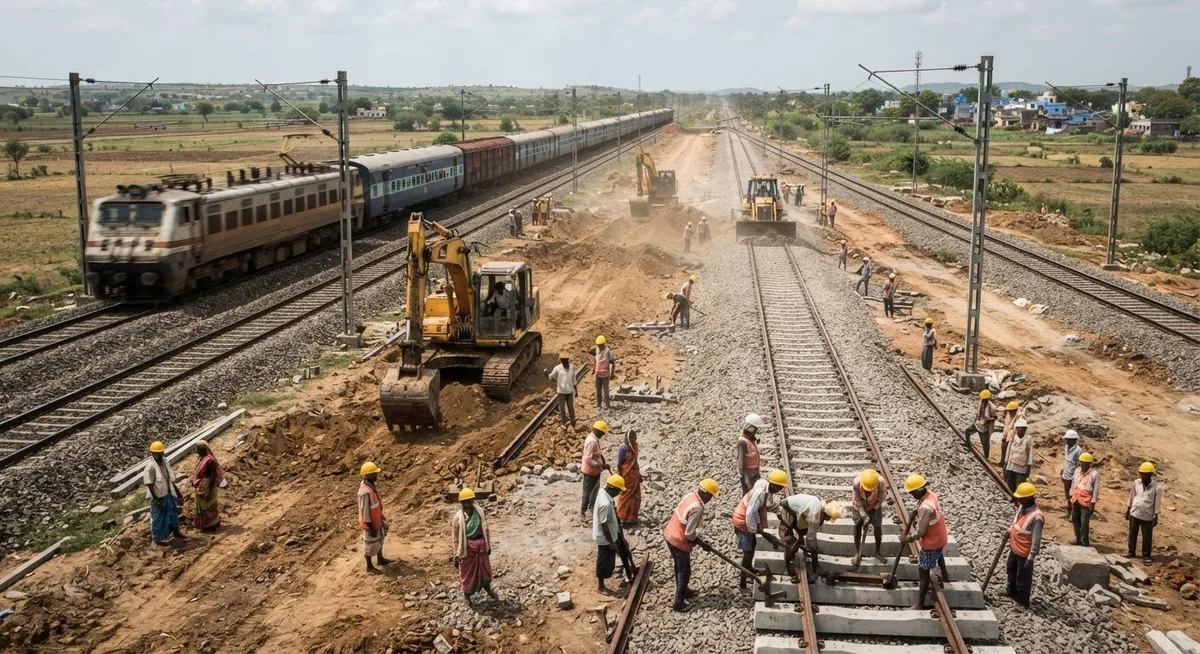
In a massive move to overhaul the nation's rail network, Union Railway Minister Ashwini Vaishnaw has announced a major infrastructure expansion strategy involving the construction of four-track rail corridors. Announced on November 7, 2026, this 'quadrupling' project will span seven high-density routes, providing a permanent solution to the persistent congestion and chronic bottlenecks that have long plagued the system.
Targeting the Golden Quadrilateral
The expansion will focus on the most critical arteries of the Indian rail network. Key areas slated for development include:
- Golden Quadrilateral sections: Connecting the major hubs of Delhi, Mumbai, Chennai, and Kolkata.
- Diagonal routes: Linking Delhi to Chennai, Mumbai to Kolkata, and Delhi to Guwahati.
By expanding these high-traffic routes, the Ministry intends to directly address the extensive passenger waiting lists that frequently occur during peak travel seasons.
Boosting Capacity by 1,000+ Trains
While Indian Railways has successfully laid 36,000 kilometers of additional track over the last decade, the Minister noted that the current demand requires even more radical steps. The new four-lining project is expected to significantly increase operational capacity, allowing for the introduction of more than 1,000 additional regular trains.
This capacity boost is not just for passengers. The infrastructure is being designed to manage the rising demand for heavy freight movement, particularly the transportation of coal, which is vital for the nation's energy needs.
Fast-Tracked Implementation
To ensure these projects move from paper to reality quickly, the government is changing how they are handled. Railway projects are now being prioritized and approved through frequent Cabinet meetings. This shift moves the focus from discretionary upgrades to the integration of core infrastructure, ensuring that the most vital corridors are developed with urgency.