Indian Railways considers extending hydrogen train route to Delhi Azadpur
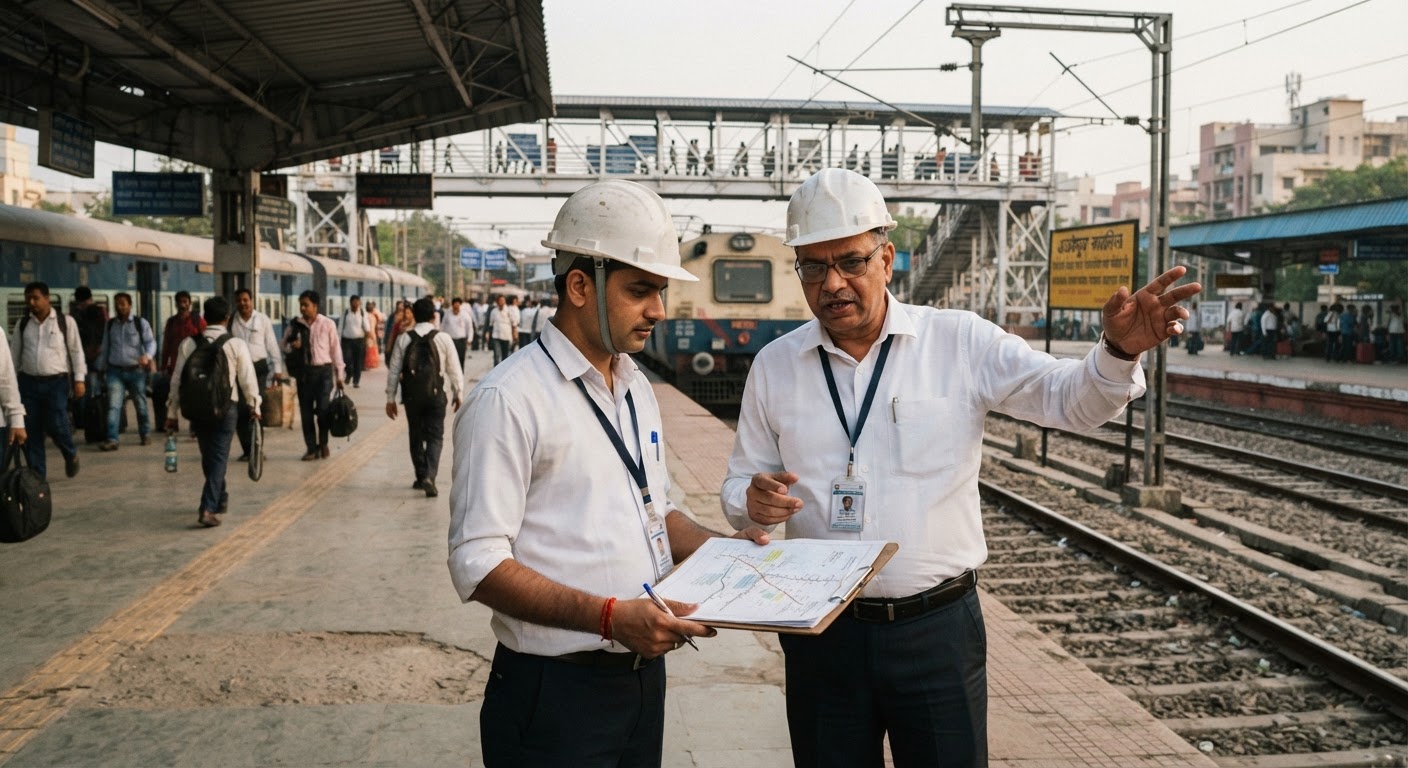
Indian Railways is actively exploring the possibility of extending its pioneering indigenous hydrogen train route beyond the current Jind-Sonipat section all the way to Delhi Azadpur station. This strategic move comes in response to low passenger numbers on the existing 89-kilometre Jind-Sonipat route, and railway authorities are currently reviewing technical trials, operational safety protocols, and infrastructure upgrades to make the Delhi connection a reality.
Key updates on the hydrogen train initiative include:
- Proposal to extend the inaugural hydrogen train route from Jind-Sonipat to Delhi Azadpur station.
- Current 89-km Jind-Sonipat route is seeing low ridership with only 40 to 60 commuters per trip against a 2,600 passenger capacity.
- Train frequency is currently limited to one daily round trip instead of the planned two.
- The hydrogen project was launched on July 17, 2026, and is managed by Northern Railways.
- Technical setup features a 1200 kW hydrogen fuel cell propulsion system with a 75 kmph operational speed and 110 kmph design speed.
- Range is 250 to 300 kilometres on a single charge.
Addressing Ridership and Infrastructure Challenges
Since its launch on July 17, 2026, by Northern Railways, the 10-coach hydrogen train has faced sluggish demand. Although designed to comfortably carry 2,600 passengers, the train has been averaging just 40 to 60 commuters per trip on the 89-kilometre Jind-Sonipat section. As a result, the service has been scaled back to perform only one daily round trip instead of the initially projected two.
To improve utility and attract more passengers, railway experts are studying the feasibility of extending the service towards Delhi Azadpur. The distance between Jind and Delhi is approximately 130 kilometres. However, engineers and planners must navigate significant logistical hurdles before launching this extension.
Technical Specifications and Logistical Hurdles
The innovative hydrogen train is powered by a 1,200 kW hydrogen fuel cell propulsion system. It boasts a maximum operational speed of 75 kmph and a design speed of 110 kmph, with the capability to cover 250 to 300 kilometres on a single charge. Despite these impressive green credentials, experts point out that refueling infrastructure is currently restricted solely to the Jind facility.
Furthermore, while the train runs in a 10-coach configuration, high-density commuter routes entering Delhi typically demand 18 to 20 coaches to manage peak crowds effectively. In light of these challenges, local stakeholders have also proposed alternative route modifications, such as extensions toward Panipat and Safidon, to better serve industrial commuters across Haryana.
This visionary green transport project has secured vital design approvals from the Research, Design and Standards Organisation (RDSO) alongside storage licensing from the Petroleum and Explosives Safety Organisation (PESO). By developing this indigenous technology, India proudly stands alongside global leaders like Germany, Japan, China, and the United States in pioneering sustainable hydrogen rail travel.