New Brake Safety Rules: Indian Railways Mandates BFT and BPT Tests
Indian Railways mandates Break Feel and Break Power tests for crews to prevent derailments and braking failures like the recent Vande Bharat incident.
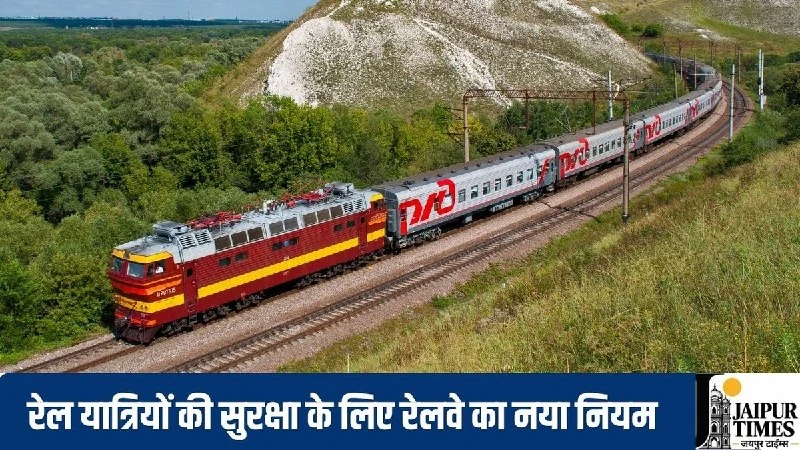
The Railway Board has issued a major directive to bolster passenger safety across the country. In a move to eliminate braking-related accidents, two mandatory safety procedures—the Break Feel Test (BFT) and the Break Power Test (BPT)—must now be performed by all running crews across India.
Why These New Safety Protocols Are Mandatory
This urgent decision follows recent high-profile incidents that highlighted critical vulnerabilities in train braking systems. The derailment of the Kolkata-Sairang Express near Digaru, Assam, was traced back to a disconnected brake pipe angle cock, which served as a primary cause of the accident.
Furthermore, a serious incident occurred on October 24, 2026, where an empty Vande Bharat train reportedly operated for 463 kilometers with impaired braking capacity. The South Eastern Railway is currently conducting a thorough investigation into this Vande Bharat incident to identify the staff responsible for potential disciplinary action.
The Break Feel Test (BFT) Procedure
To ensure that braking systems are responsive from the very start of a journey, the Railway Board has outlined specific steps for the Break Feel Test. This test must be conducted by loco pilots and assistant loco pilots immediately after they take charge of a train:
- Once the train reaches a speed of 10-15 km/h, the pilot must reduce the brake pipe pressure by approximately 0.5 kg/cm².
- This reduction must be done to verify braking functionality without bringing the train to a complete halt.
The Break Power Test (BPT) Requirements
The second mandatory procedure, the Break Power Test, must be executed within the first block section of the journey. The requirements for this test vary depending on the type of train being operated:
Coaching Trains
For coaching trains traveling at speeds between 60-70 km/h, a pressure drop of 1.0 kg/cm² must be applied, which should successfully reduce the train's speed to 30-35 km/h.
Freight Trains
Different standards apply to freight operations to ensure heavy loads are managed safely:
- Loaded Freight Trains: Traveling at 40-50 km/h, a 1.0 kg/cm² pressure drop must reduce the speed to 20-25 km/h.
- Empty Freight Trains: These require a pressure drop of 0.5 kg/cm² to verify braking effectiveness.
Strict Monitoring and Compliance Drives
Accountability is a key part of these new rules. Assistant loco pilots are now tasked with meticulously logging all test details in their official diaries. This documentation must include the location of the test, the pressure reduction levels, and the resulting speed fluctuations.
To ensure these rules are implemented immediately, the Railway Board has ordered all zonal railways to conduct a special safety drive from November 12 to 18, 2026. All zones are required to submit a final compliance report to the Board by November 20, 2026.