Wagon Design Policy: Indian Railways to allow industries to design custom freight wagons
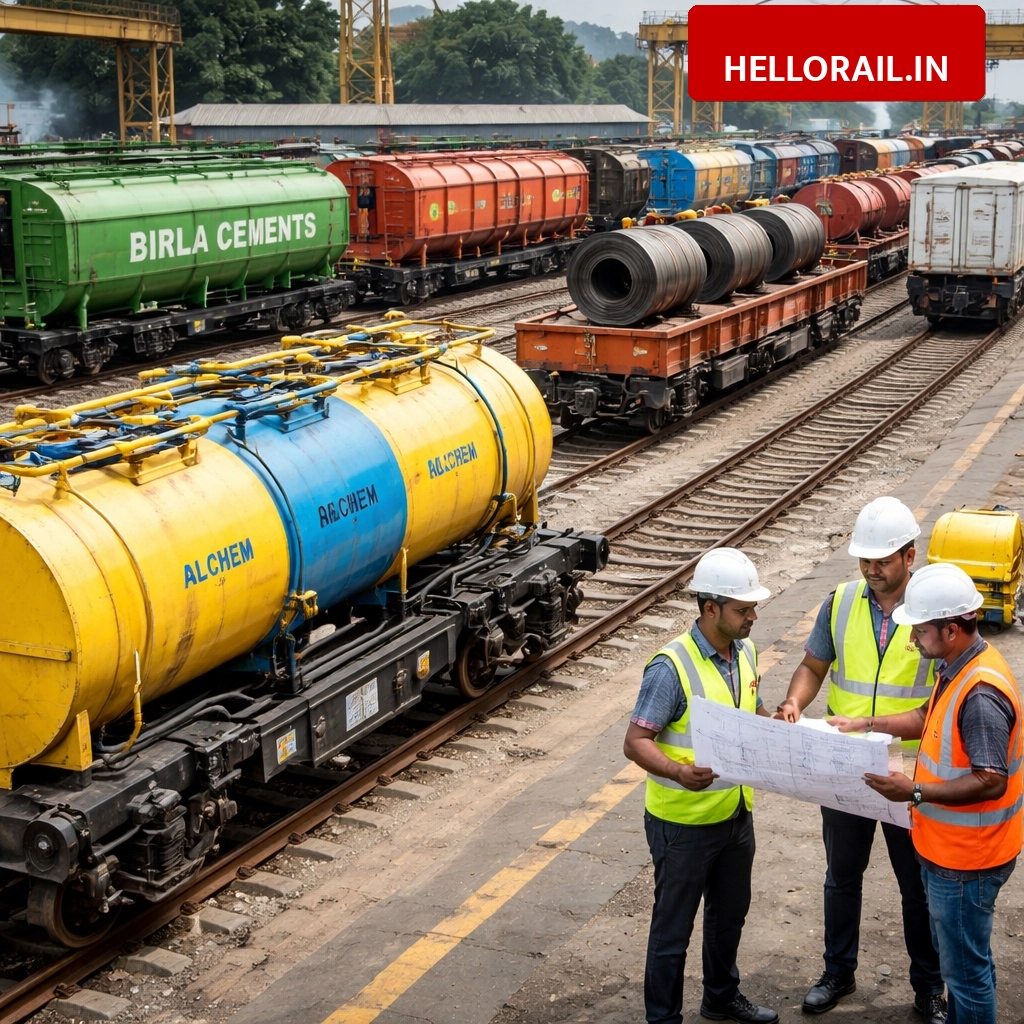
The Ministry of Railways decided to change the current wagon design policy to make goods transport more efficient. Under the new rules, industries will have the freedom to design freight wagons based on their specific needs. This move aims to increase the share of railways in the national logistics sector and improve loading and unloading speed.
What are the main goals of the new policy?
Rail Minister Ashwini Vaishnav chaired a review meeting on June 25, 2026, where this decision was taken. The government wants to increase the railway’s share in national logistics from the current 26-27% to 45% by 2030. By allowing custom designs, the railway intends to move more cargo from roads to rails, making transport greener and more energy-efficient.
How will this benefit different industries?
Industries can now develop specialized wagons for specific goods, similar to the success seen with salt and cement wagons. For example, steel coils will get special binding and loading systems. The RDSO and CCRS will ensure that these custom-designed wagons meet all safety and quality standards. The Rail Minister has directed officials to finalize this policy within 15 days.
| Feature | Details |
|---|---|
| Decision Date | June 25, 2026 |
| Logistics Target | 45% share by 2030 |
| Current Share | 26-27% |
| Key Agencies | Ministry of Railways, Railway Board, RDSO |
| Primary Goal | Green and efficient freight transport |
Frequently Asked Questions (FAQs)
What is the target for railway’s share in logistics?
The Indian Railways aims to increase its share in the national logistics sector from the current 26-27% to 45% by the year 2030.
Who will ensure the safety of these custom wagons?
The Research Designs and Standards Organisation (RDSO) and the Commission of Railway Safety (CCRS) will be responsible for ensuring the safety of the wagons.