End of RAC? Indian Railways Reviews Half-Berth System
Indian Railways is reviewing the RAC system due to digital advancements and PAC recommendations. Learn how this change might affect your travel.
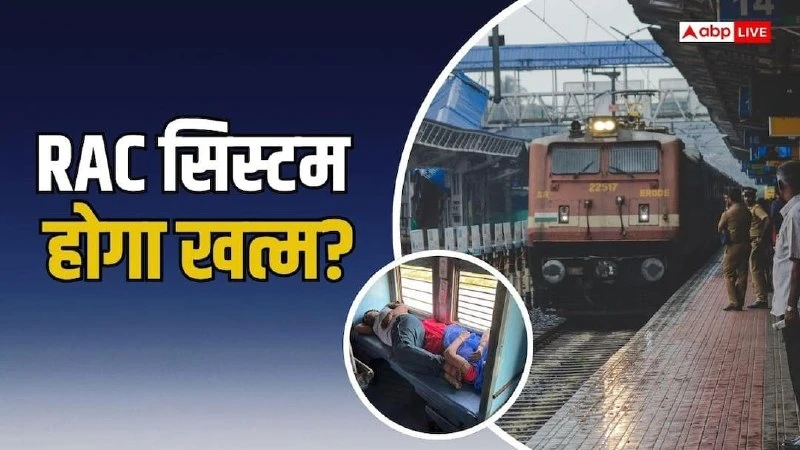
The Ministry of Railways has broken its silence regarding widespread speculation about the potential discontinuation of the Reservation Against Cancellation (RAC) system. While officials have not issued a formal confirmation that the system will be terminated, they have confirmed that the decades-old arrangement is currently under active review.
Why the RAC System is Under Scrutiny
The decision to review the RAC model comes as the Indian Railways undergoes a massive digital transformation. Officials have noted that the necessity for the traditional RAC system has diminished significantly due to several technological advancements:
- Digital Ticketing and HHTs: The widespread implementation of Hand-Held Terminals (HHTs) for Traveling Ticket Examiners (TTEs) allows for real-time reporting of vacant berths. This means vacancies can be identified and allocated to passengers at the very next station with high precision.
- Reducing Discretionary Powers: There is a belief within the administration that phasing out RAC would limit the discretionary powers held by TTEs, thereby reducing the scope for potential misconduct during the manual allocation of berths.
- Revenue Stability: The Ministry maintains that such a transition would not adversely impact revenue, as confirmed tickets are already charged at full fare, and any vacant berths can still be filled at the full fare rate.
The Fairness Debate: Full Fare for Half a Berth?
The debate over the future of RAC was significantly intensified by the Public Accounts Committee (PAC). In its 36th report issued in February 2026, the committee raised serious concerns regarding the equity of the current system.
The committee expressed concern that charging passengers full fare while providing only half a berth—typically a shared side-lower berth—is unfair, and it recommended partial refunds for passengers who do not receive a full berth under the RAC category.
A Legacy System Facing a Modern Era
The RAC system has been a staple of Indian rail travel for decades, having been originally introduced in 1983-84 by the then-Railway Minister, A.B.A. Ghani Khan Chowdhury. It was designed as a humanitarian measure to allow passengers on waiting lists to travel if confirmed ticket holders failed to show up.
However, the direction of modern rail infrastructure suggests a move away from this legacy model. For instance, the new Vande Bharat sleeper trains are being designed without traditional RAC facilities. Additionally, recent operational shifts, such as the South Western Railway (SWR) removing the upper limit on berths for mass and group bookings, indicate that the Railways are looking for more streamlined ways to manage passenger capacity.