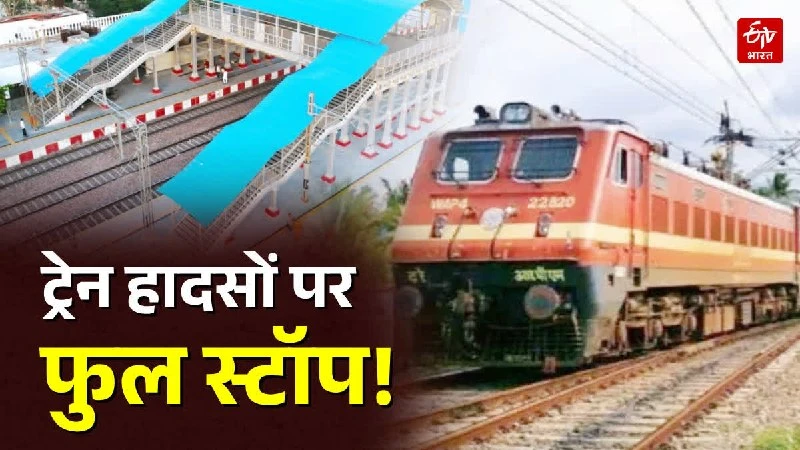
Indian Railways has officially rolled out its ambitious Railway Safety Master Plan, showcasing a dramatic drop in train accidents and outlining high-tech upgrades for passenger protection across the network. Union Rail Minister Ashwini Vaishnaw shared vital safety statistics in Parliament, highlighting key achievements alongside the rollout of modern fire prevention technology, enhanced track infrastructure, and strict new travel regulations. Train accidents dropped significantly from 135 in 2014-15 to 16 in 2025-26, marking an 88 percent decrease. For the fiscal year 2026-27, only two major incidents were recorded as of June 2026. The total safety budget for the current fiscal year reached an unprecedented ₹1,16,470 crore, compared to ₹39,463 crore in 2013-14. As of August 23, 2026, 3,436 AC coaches have been equipped with advanced aerosol-based fire detection and suppression systems.
Passenger safety inside coaches has received a massive upgrade. Indian Railways is actively installing fire-retardant interior materials and E-beam cables in trains.
Every single coach is now outfitted with at least two functional fire extinguishers. Furthermore, fire safety protocols have been extended to vulnerable areas like pantry cars and power cars. To boost overall structural safety and passenger comfort,
103 long-distance trains have transitioned to modern LHB (Linke Hofmann Busch) coaches. The 2025-26 safety roadmap prioritizes the complete elimination of unmanned level crossings across the national transporter network.
Indian Railways has accelerated the construction schedule for Road Over Bridges (ROB) and Road Under Bridges (RUB) to eliminate track conflicts. Additionally, the indigenous automatic train protection system known as 'Kavach' is slated for large-scale deployment along the country's busiest rail corridors. To effectively minimize human error among train operators,
the ministry is implementing systematic work-hour management for crew and loco pilots alongside new voice and video recording systems inside locomotive engines. Alongside physical infrastructure developments, regulatory updates took effect on July 1, 2026. Following amendments to the Railways Act, 1989 under the Jan Vishwas (Amendment Provisions) Act, 2026,
authorities have substantially increased fines for ticketless travel, unauthorized use of tickets, and general passenger nuisance to ensure a smoother journey for everyone.