Indian Railways warns Travelling Ticket Examiners against selling rest seats
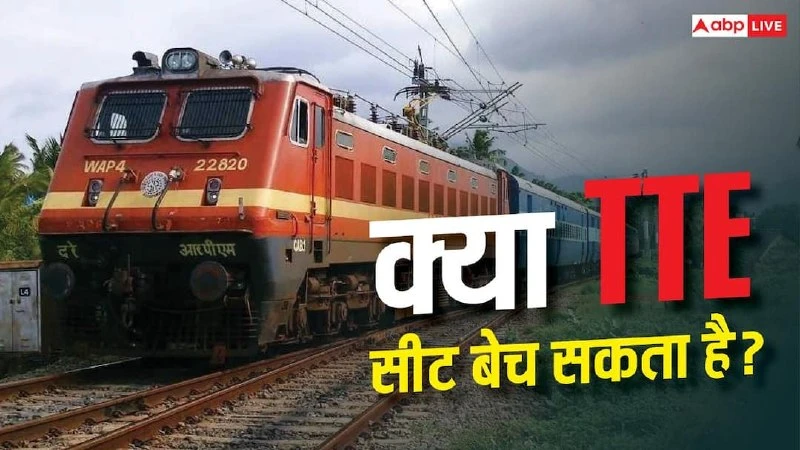
Indian Railways has issued strict clarifications regarding ticket checking rules and the prohibition of illegal seat selling practices by Travelling Ticket Examiners. Passengers often face confusion regarding seat allotments and official protocols during their train journeys across the country. Indian Railway regulations strictly prohibit Travelling Ticket Examiners from selling their duty-allotted rest seats to passengers. Under Section 143 of the Railways Act, the unauthorized transfer or sale of any reserved ticket or seat is a serious criminal offense, punishable by fines and up to three years of imprisonment. While TTEs are provided with specific seats to rest during ticket-checking duties, they do not possess the authority to sell these spaces. However, TTEs are authorized to reassign vacant passenger berths to passengers on waitlists or Reservation Against Cancellation status if a passenger fails to board at the designated station or within the subsequent two stops. Legal scrutiny regarding this issue has intensified, notably with the Calcutta High Court noting in July 2026 that TTEs in some trains were treating vacant berths as commodities. The court directed General Managers of railway zones to ensure maximum punitive action against employees engaged in such illegal practices. To enhance transparency and curb illicit activities, the Indian Railways has transitioned to using Hand Held Terminal devices. These devices provide TTEs with a digital reservation chart that updates in real-time, allowing passengers to view seat availability directly via the IRCTC application. Furthermore, officials emphasized in September 2026 that seat swapping must only occur with official TTE permission. Passengers attempting to change seats without authorization face a penalty of up to 250 rupees.