IRCTC Upgrades Digital Infrastructure to Resolve High Load Errors and System Outages
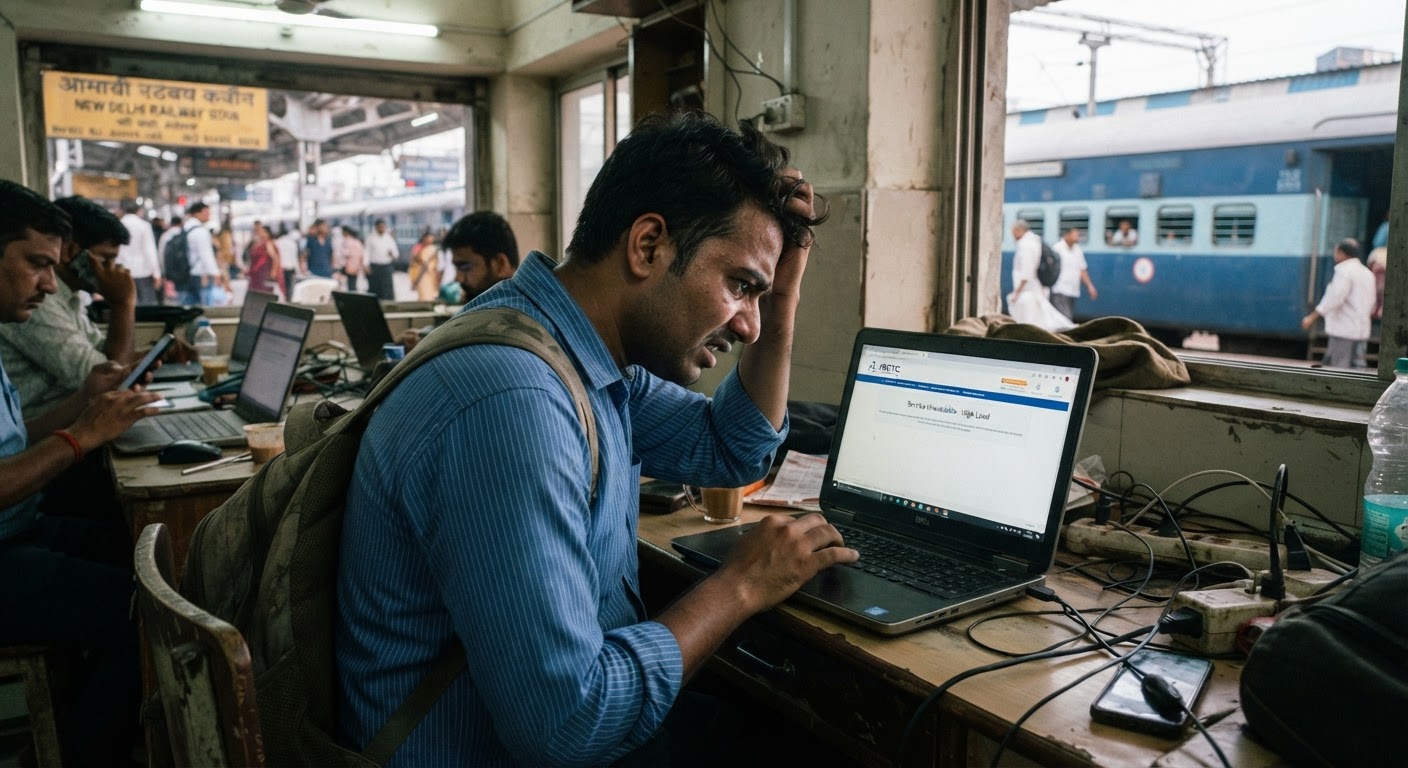
Indian Railway passengers attempting to book train tickets online recently faced widespread technical difficulties due to recurring high load errors on the official IRCTC website, the RailOne app, and the newly launched beta platform. These disruptions heavily impacted travellers attempting to secure advance reservations during peak booking hours, causing frustration among commuters nationwide.
Passengers trying to book tickets experienced sudden service timeouts and failed digital payments. The disruptions were particularly notable on September 9 and 10, 2026, precisely during the crucial 8:00 AM reservation window for Diwali 2026 travel. Users reported that problems persisted for approximately 50 minutes. Similar system outages and crashes were also officially logged by popular tracking services like DownDetector and DownRightNow on September 2 and 3, 2026, while rail users have consistently highlighted similar technical glitches during morning Tatkal booking hours.
Why High Load Errors Occur
The recurring high load messages stem directly from a massive surge in concurrent user demand during opening reservation windows. This unprecedented traffic is further complicated by the malicious deployment of unauthorized booking bots and fraudulent activities that overwhelm the ticketing servers.
To combat these ongoing vulnerabilities, IRCTC has enforced strict regulatory measures. A mandatory Aadhaar-based authentication policy has been in effect since November 7, 2025, for all tickets booked between 8:00 AM and 10:00 AM on the opening day of reservation. Additionally, authorized ticketing agents remain strictly restricted from booking Tatkal tickets during the first 30 minutes of the 10:00 AM and 11:00 AM booking windows.
Major System Modernization and ₹150 Crore Investment
To provide a seamless booking experience for millions of commuters, IRCTC is aggressively modernizing its Next Generation e-Ticketing (NGET) system with a massive ₹150 crore investment. The primary objective of this upgrade is to exponentially increase the overall ticketing capacity from 37,000 to over 1 lakh tickets per minute.
Following direct intervention by Railway Minister Ashwini Vaishnaw in June 2026, a newly revamped beta website was successfully launched on July 15, 2026. This platform is specifically engineered to handle 1.5 lakh bookings per minute by streamlining the user interface and eliminating unnecessary CAPTCHAs and pop-up windows. Furthermore, collaborating closely with the Centre for Railway Information Systems (CRIS), the Ministry initiated the replacement of the 40-year-old Passenger Reservation System with an advanced AI-powered platform in August 2026.
Despite these occasional technical bottlenecks during peak festival seasons, Indian Railways maintained a strong overall system uptime of 99.98% between April and October 2025. In addition to digital advancements, the Union Cabinet approved eight major railway multi-tracking projects valued at ₹20,804 crore on September 9, 2026. These infrastructure initiatives will expand the national railway network by 1,196 km, substantially bolstering overall passenger traffic capacity and freight movement across the country.