Jodhpur Station Gets Smart IoT Dustbins for Cleaner Travel
Jodhpur Railway Station introduces IoT-enabled smart dustbins to improve hygiene and automate waste management via real-time sensor alerts.
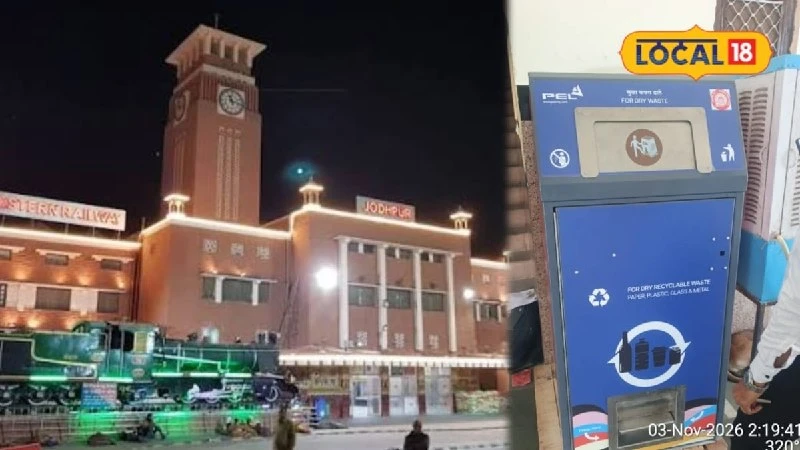
The Jodhpur Railway Station is stepping into the future of cleanliness. In a significant move to modernize station facilities, the North Western Railway's Jodhpur Division has initiated the installation of advanced, IoT-enabled smart dustbins across the premises.
High-Tech Waste Management for NSG-2 Station
As an NSG-2 category station, Jodhpur handles a massive volume of passengers daily, making efficient waste management a critical necessity. To address this, the division is deploying high-capacity 240-liter smart dustbins designed to maintain high standards of hygiene and prevent the common issues of overflow and unpleasant odors.
Real-Time Alerts and IoT Integration
What sets these new bins apart is the integration of Internet of Things (IoT) sensors. These specialized sensors provide continuous monitoring of the waste accumulation levels within each bin. Instead of relying on manual inspections, the system is programmed to provide data updates every 30 minutes.
The moment a bin reaches its capacity, the IoT technology transmits real-time alerts directly to:
- Dedicated mobile applications used by cleaning personnel.
- Centralized fleet dashboards for monitoring.
This automation ensures that cleaning staff are notified immediately, allowing for prompt emptying and preventing any buildup of refuse on the station grounds.
Advanced Compaction Technology
This deployment is part of a broader national initiative by Indian Railways to move away from traditional disposal methods toward 'Waste Compactor Smart Dustbins.' Many of the new units feature built-in compaction technology. This allows the bins to compress waste internally, which significantly increases their storage capacity and reduces the frequency with which staff must empty them.
By leveraging this automation, the Jodhpur Division aims to optimize manual labor efforts, maintain cleaner station premises, and provide a more hygienic environment for the thousands of travelers passing through the station every day.