Railway safety boost: Kavach technology to be installed across Ambala Division
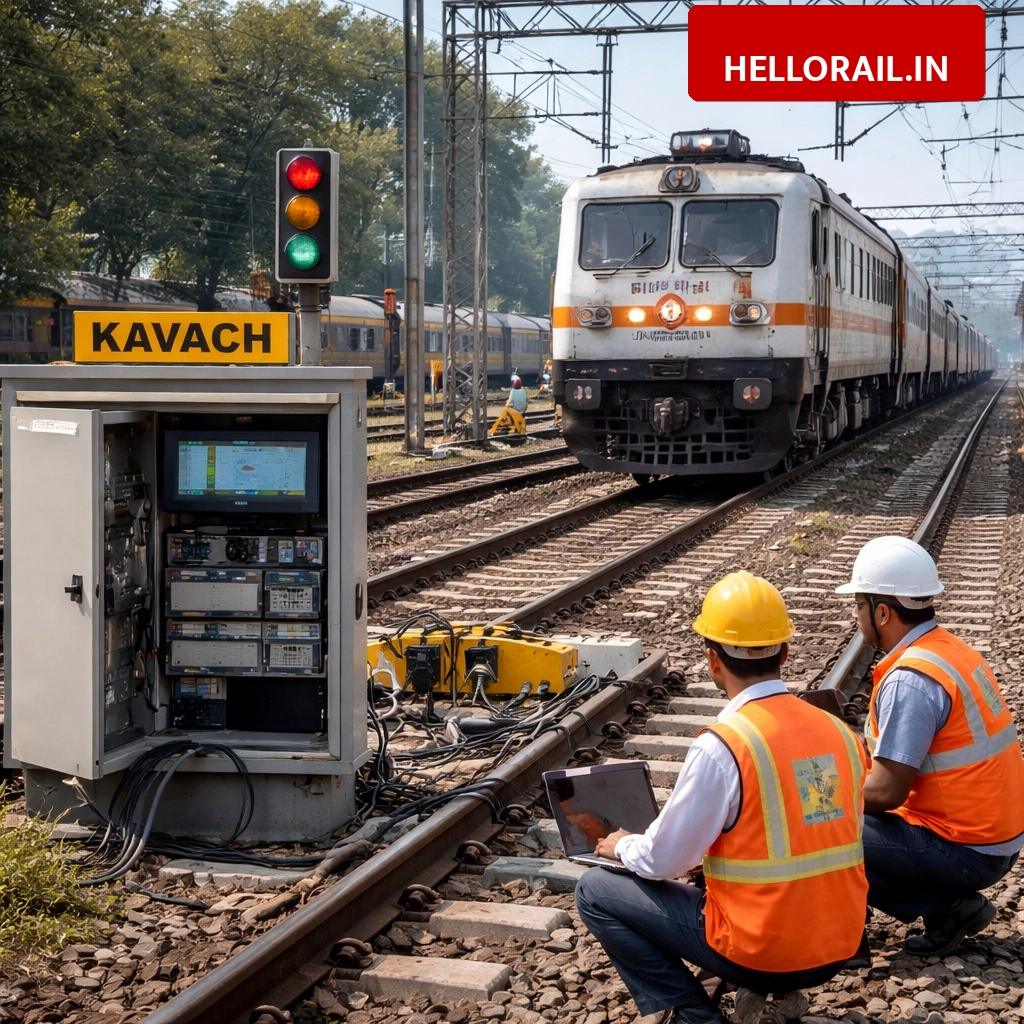
Indian Railways has approved a project to install the indigenous Kavach Automatic Train Protection (ATP) system in the Ambala Division of Northern Railway. This move will cover the remaining broad gauge sections across Haryana, Punjab, and Himachal Pradesh. The government will spend 201 crore rupees to make these busy routes safer for passengers and freight traffic.
Which routes will get the Kavach system
The project covers 811 route kilometers in the Ambala Division. The system will be installed on the following key sections:
- Ambala Cantonment to Ludhiana
- Kalka-Chandigarh-New Morinda-Sahnewal
- Sirhind to Daulatpur Chowk
- Rajpura-Bathinda-Shri Ganganagar
- Ludhiana-Dhuri-Jakhal
What are the key details of the project
| Feature | Details |
|---|---|
| Project Cost | 201 Crore Rupees |
| Route Length | 811 km |
| Technology | Kavach Version 4.0 |
| Communication | LTE-based backbone |
| Safety Standard | SIL-4 (Highest Global Level) |
How will Kavach benefit the passengers
Union Railways Minister Ashwini Vaishnaw stated that this technology is developed in India to ensure safer travel for the common man. Kavach prevents trains from passing signals when they are at danger and automatically applies brakes if the driver does not. Minister of State for Railways Ravneet Singh Bittu mentioned that this system will help eliminate accidents caused by human error on routes connecting Chandigarh and Mohali.
Frequently Asked Questions (FAQs)
What is the cost of the Kavach project in Ambala Division?
The Indian Railways has sanctioned 201 crore rupees for installing the Kavach system across 811 route kilometers of the Ambala Division.
How does the Kavach system improve railway safety?
Kavach prevents Signal Passing at Danger (SPAD), automatically applies brakes in unsafe situations, and regulates train speed to reduce the risk of collisions.