Kota Division Upgrade: 160 Kmph Delhi-Mumbai Speed Boost
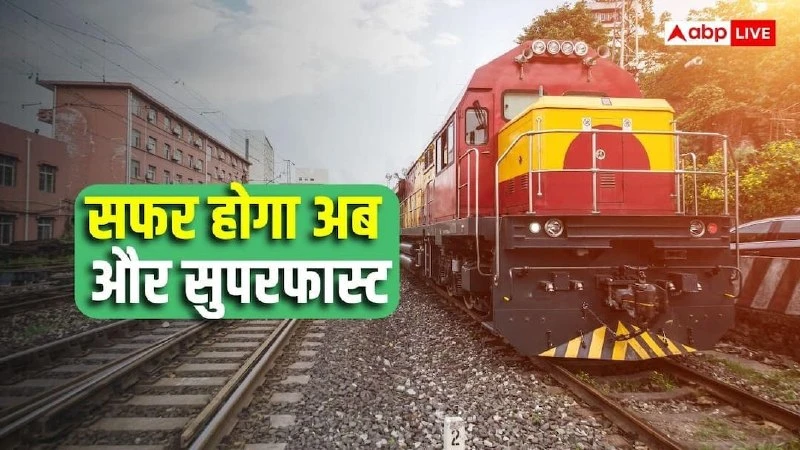
Indian Railways has achieved a major milestone in its mission to provide high-speed connectivity across the country. A massive 596 track kilometers (TKM) within the West Central Railway's Kota Division have been successfully upgraded with a modern 2x25 kV traction power system. This enhancement is a vital part of 'Mission Raftaar', which aims to enable train operations at speeds of up to 160 kmph on the critical Delhi-Mumbai corridor.
Key Sections Upgraded for High Speed
The infrastructure improvements span three essential stretches to ensure seamless high-speed movement:
- Nagda to Rawtha Road: 368 TKM
- Malarna to Piloda: 100 TKM
- Salabad to Murhesi Rampur: 128 TKM
Boosting Power Stability and Reliability
To meet the intense energy demands of both high-speed passenger services and heavy freight traffic, the electrical infrastructure has been significantly modernized. Saurabh Jain, Senior Divisional Commercial Manager of the Kota Division, highlighted that the new system is engineered to provide improved voltage stability and reliability, which is crucial for managing higher traffic density.
A key part of this expansion is the operationalization of a fourth 2x25 kV traction substation (TSS) at Bharatpur. This facility complements the existing substations at Suwasra, Gangapur City Junction, and Ramganj Mandi. The upgraded network also includes 12 Sub-Sectioning Posts (SSPs) and seven Sectioning Posts (SPs) to maintain a consistent power supply.
The Roadmap to 160 Kmph Operations
This development follows recent statements by Union Minister for Railways Ashwini Vaishnaw, who informed the Lok Sabha that roughly 81% of railway tracks nationwide have already been upgraded to support speeds of 110 kmph and above.
However, achieving the full 160 kmph capability on the Delhi-Mumbai route involves a multi-pronged strategy. Beyond electrical upgrades, the transition requires concurrent improvements in:
- Advanced signaling systems
- Enhanced track conditions
- Modern rolling stock, such as the Vande Bharat trainsets
While the electrical foundation is now equipped for higher speeds, full operational implementation remains subject to further safety system integration and final regulatory approvals.