Mathura to Faridabad MEMU train proposal sent to Delhi Division, check details
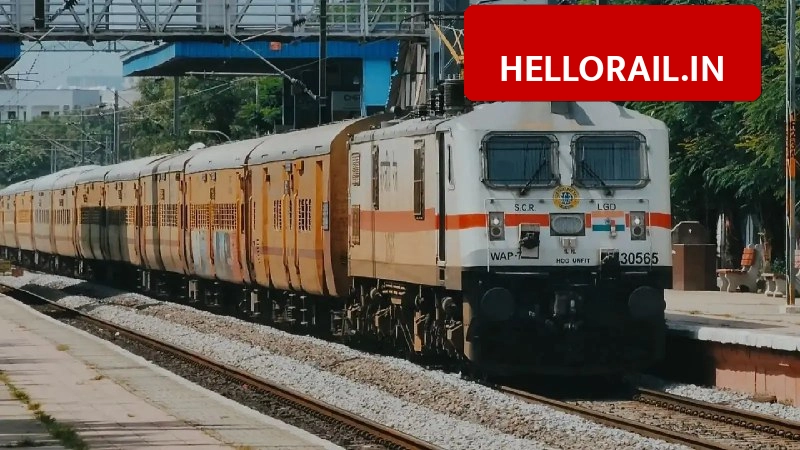
The North Central Railway Agra Division has moved a proposal to start a new MEMU train service between Mathura and Faridabad. This initiative is aimed at addressing the long standing demand of daily commuters on this busy route. Currently, the Delhi Division is evaluating the feasibility of the project to understand passenger load and track availability. Once the feasibility report is ready, the final decision on the schedule will be taken.
Why is the new MEMU train service needed?
At present, there are only two shuttle trains available from Mathura to New Delhi early in the morning at 4:30 AM and 5:30 AM. After these early services, there is a lack of local trains for passengers traveling to intermediate stations during the day. Around 40,000 to 42,000 people travel daily on this route, including office employees, students, and small businessmen. Many are forced to use expensive private transport due to the shortage of local trains.
Proposed route and passenger benefits
The proposed train service will likely operate six days a week and will stop at all major local stations between Mathura and Faridabad. This will provide a major relief to commuters from Kosi Kalan, where nearly 8,000 people board trains daily. The new service will also help pilgrims visiting Vrindavan and workers heading to the industrial areas of Faridabad and Ballabhgarh.
| Feature | Details |
|---|---|
| Proposed Route | Mathura to Faridabad |
| Frequency | 6 Days a week |
| Daily Passengers | Approx 42,000 |
| Key Stops | Vrindavan Road, Kosi Kalan, Palwal, Ballabhgarh |
According to railway sources, the stops will include Bhuteshwar, Vrindavan Road, Ajhai Chhatra, Kosi Kalan, Hodal, Bachhari, Solaka, Rundhi, Palwal, Asaoti, Ballabhgarh, and Newtown. This connectivity is expected to make the journey much cheaper and faster for the common man who relies on the railway network for their daily livelihood.