New Jalpaiguri Aluabari Rail Line: ₹1453 Cr for 3rd & 4th Lines
Indian Railways to invest over ₹1453 crore to lay 3rd and 4th lines on the New Jalpaiguri-Aluabari Road section.
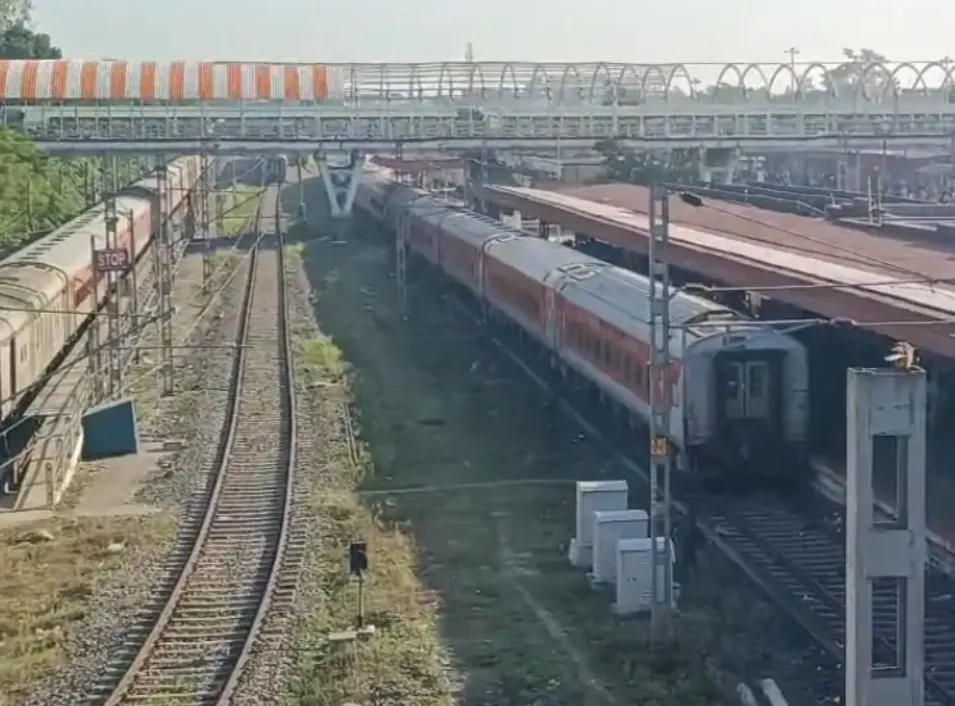
Indian Railways is set to transform the New Jalpaiguri Aluabari rail line by laying third and fourth tracks to boost connectivity in Northeast India. With a massive investment exceeding ₹1,453 crore, this project aims to decongest one of the most vital corridors in the region.
Massive Infrastructure Expansion via Two EPC Tenders
To facilitate this expansion, the railway has released two major EPC tenders. The first package, estimated at ₹1,079.59 crore, covers extensive civil and track-related works. This includes the 57 km corridor, specifically focusing on the stretches from New Jalpaiguri to Chatarhat and from Three Mile Haat to Aluabari Road.
This first phase aims to be completed within approximately 1,020 days and will encompass:
- Earthwork and embankments
- Construction of small bridges
- Track laying and electrification
- Signaling and telecommunications
- Service buildings, roads, and drainage systems
The second package, valued at ₹373.40 crore, focuses on heavy infrastructure. This includes the construction of eight large bridges and the reconstruction of three Road Over Bridges (ROBs), alongside essential signaling and telecom work to ensure seamless coordination between rail and road traffic.
Cutting-Edge Technology and Enhanced Safety
In a major technological leap, the project will utilize 4K high-resolution geo-tagged drone videography to monitor progress. This data will be integrated with Google Maps and ISRO’s Bhuvan GIS platform, managed through a cloud-based rail project management system.
To ensure high operational safety, the new lines will be equipped with:
- 48 fiber optic cables
- LED color light signals
- Advanced electric point machines
Boosting Connectivity and Economic Growth
This ambitious expansion on the New Jalpaiguri, Kishanganj, and Aluabari Road sections is expected to dramatically increase train capacity. By improving the punctuality of passenger trains and the efficiency of freight movement, the project will act as a catalyst for trade, tourism, and economic development across the region.