




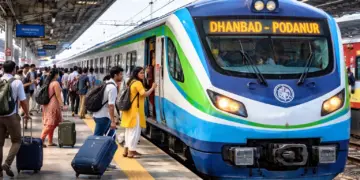
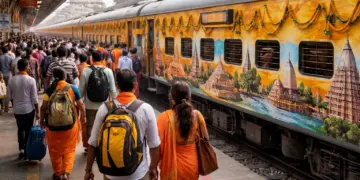
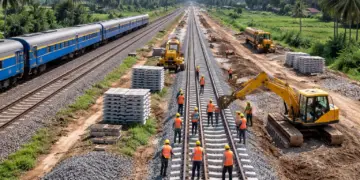





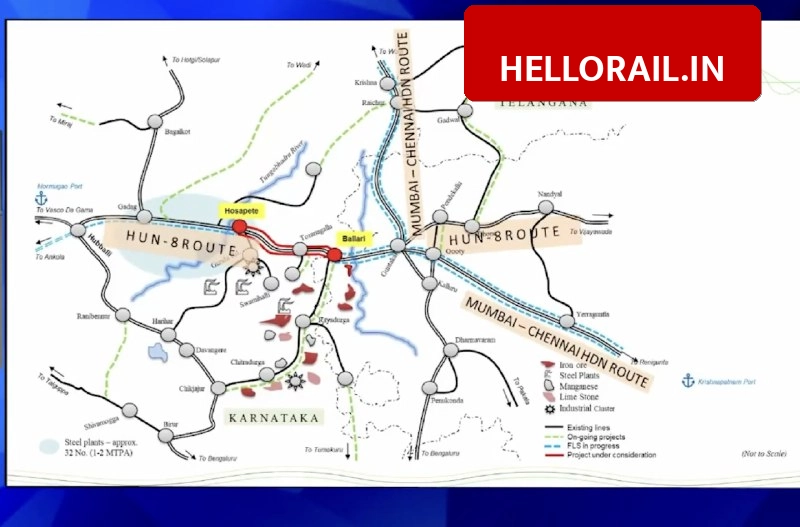

The Union Cabinet has given the green light for a significant railway infrastructure project in Karnataka. On Saturday, Railway Minister Ashwini Vaishnaw announced the approval of the 3rd and 4th railway lines between Ballari and Hosapete. This 65 km stretch is vital for connecting major industrial hubs and tourist destinations in the region. The government has allocated ₹2,372 Crore for this development, which aims to reduce congestion on existing tracks and improve overall connectivity.
How will this new rail line benefit passengers and industry?
The new tracks are set to transform travel and logistics in the Ballari and Vijayanagara districts. This route is part of the busy Vasco da Gama–Vijayawada corridor, which links the Western and Southern coasts of India. By adding two more lines, the railways can run more passenger trains, making it easier for tourists to visit the UNESCO World Heritage site of Hampi and the Tungabhadra Dam.
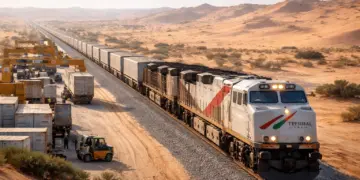
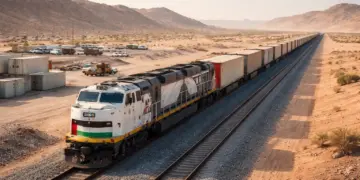
For the industry, this project is a major boost. The region is rich in iron ore and has several steel plants. The additional lines will help transport raw materials and finished goods faster. Officials estimate that this upgrade will support an extra 25 million tonnes of freight every year. It is also expected to save ₹323 Crore annually in logistics costs for businesses operating in the area.
What are the key details and timeline of the project?
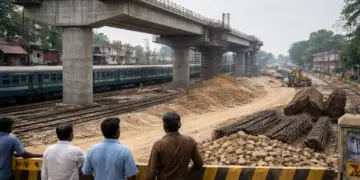
The construction is scheduled to be completed within the next 4 years, targeting a 2030 finish. The project involves extensive civil engineering work to ensure smooth operations for both freight and passenger traffic. Here is a quick look at the specifications of the project:
| Feature | Details |
|---|---|
| Route Length | 65 km |
| Total Cost | ₹2,372 Crore |
| Completion Time | 4 Years (By 2030) |
| Major Bridges | 34 |
| Minor Bridges | 220 |
This development falls under the PM Gati Shakti National Master Plan to improve multi-modal connectivity. Besides economic benefits, the project is environmentally friendly. By shifting more transport to rail, it is projected to reduce carbon emissions by 14 crore kg annually, which is roughly equal to the impact of planting 58 lakh trees.