Dholpur-Gwalior Railway Track: Automatic signaling system launched to increase train frequency
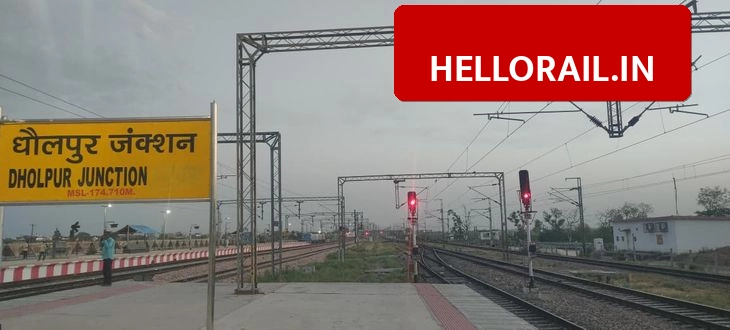
The Dholpur-Gwalior railway section has received a major upgrade with the introduction of an automatic signaling system. This new technology allows more trains to run on the same track simultaneously, reducing waiting times and improving overall travel speed. The project is part of a larger plan to modernize the rail network between Bina and Dholpur.
📰: Charbagh Railway Station: Modernization project to bring world-class facilities by 2026।
What are the benefits of the new signaling system?
The automatic signaling system was activated on the 11.5 km section between Sitholi, Gwalior, and Birlanagar on January 20, 2026. Because of this update, 4 to 5 trains can now run on a single track at the same time. This means trains will not have to stop frequently at outer signals, which will significantly reduce the total travel time for passengers.
What other safety and infrastructure updates are coming?
Indian Railways is implementing several high-tech upgrades on this route to ensure safety and speed. The key developments are listed below:
| Project | Details | Timeline/Cost |
|---|---|---|
| Kavach 4.0 | AI-based anti-collision system with 40 LTE towers | By November 2025 (₹240 Cr) |
| 4th Rail Line | Separate tracks for passenger and goods trains | Proposed (₹4,869 Cr) |
| MSDAC System | Digital axle counters to detect detached wagons | Target 2026 |
| Metal Fencing | Fencing of 146 km track to prevent animal entry | 80% complete |
The metal fencing work is intended to allow trains to reach speeds of up to 160 kmph by preventing unauthorized entry on the tracks. Additionally, the section from Delwara to Morena, covering 218 km, has already transitioned to automatic signaling.
Frequently Asked Questions (FAQs)
How many trains can now run on the Gwalior-Dholpur track at once?
With the new automatic signaling system implemented on the Sitholi-Gwalior-Birlanagar section, 4 to 5 trains can now operate on a single track simultaneously.
What is the purpose of Kavach 4.0 on the Dholpur-Bina route?
Kavach 4.0 is an AI-powered indigenous anti-collision system designed to reduce human errors and make train operations safer, especially during heavy fog.
{“@context”: “https://schema.org”, “@type”: “FAQPage”, “mainEntity”: [{“@type”: “Question”, “name”: “How many trains can now run on the Gwalior-Dholpur track at once?”, “acceptedAnswer”: {“@type”: “Answer”, “text”: “With the new automatic signaling system implemented on the Sitholi-Gwalior-Birlanagar section, 4 to 5 trains can now operate on a single track simultaneously.”}}, {“@type”: “Question”, “name”: “What is the purpose of Kavach 4.0 on the Dholpur-Bina route?”, “acceptedAnswer”: {“@type”: “Answer”, “text”: “Kavach 4.0 is an AI-powered indigenous anti-collision system designed to reduce human errors and make train operations safer, especially during heavy fog.”}}]}