

















The Union Cabinet has officially approved the expansion of the Noida Metro Aqua Line, bringing great relief to daily commuters. In a meeting chaired by Prime Minister Narendra Modi on February 14, 2026, the government cleared the project to connect Noida Sector 142 to Botanical Garden. This new corridor will cost approximately ₹2,254 crore and is designed to bridge the gap between Greater Noida and the Delhi Metro network.
Project Timeline and Key Details
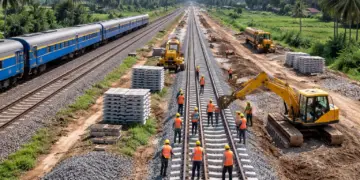
According to the official announcement, the construction of this 11.56 km elevated track is expected to take 4 years. Once completed, the total metro network serving Noida and Greater Noida will exceed 61 km. This project follows the recent approval of the Delhi Metro Phase V(A), showing a strong push for better public transport in the NCR region.
The most significant benefit of this expansion is the direct link to the Botanical Garden station. This station acts as a major interchange hub for the Delhi Metro’s Blue Line and Magenta Line. Currently, passengers from the Aqua Line often have to leave the station and take alternative transport to switch to the Delhi Metro network. The new line will solve this problem, offering a smooth and seamless transfer experience.
List of 8 New Elevated Stations
The new route will feature eight stations that cover important residential sectors and official zones. The specific stations approved for this corridor are:
- Botanical Garden (Major Interchange Hub)
- Noida Sector 44
- Noida Office (Noida Authority)
- Noida Sector 97
- Noida Sector 105
- Noida Sector 108
- Noida Sector 93
- Panchsheel Balak Inter College
Benefits for IT Hubs and Daily Travel
This development is crucial for the economic growth of the region. The route passes through sectors that house major corporate offices, including Microsoft, TCS, Infosys, and Adobe. Thousands of employees travel to these hubs daily, and the new metro line will provide them with a reliable and affordable travel option.
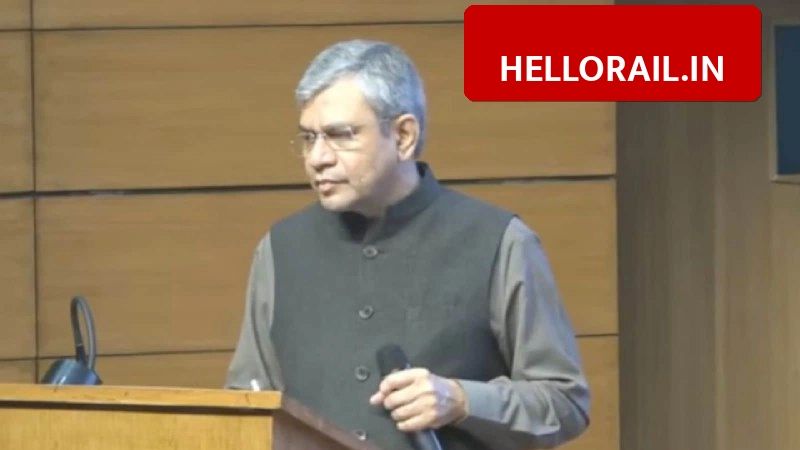
Railway Minister Ashwini Vaishnaw stated that the project aims to support the city’s rapid growth as a manufacturing and service center. By shifting more commuters to the metro, the project is also expected to reduce heavy traffic on the Noida-Greater Noida Expressway, making road travel faster for others as well.