Indian Railways to divert rail line from Palamu Tiger Reserve to protect wildlife
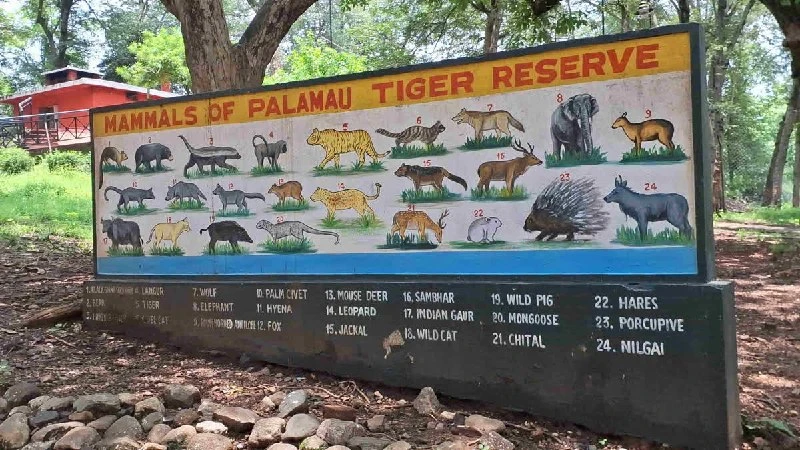
Indian Railways and wildlife authorities have reached a major agreement to resolve a long-standing environmental conflict by relocating a railway line away from the core area of the Palamu Tiger Reserve. The final proposal for this crucial infrastructure and conservation project was uploaded to the central government's Parivesh portal on September 13, 2026, officially concluding a dispute that first began in 2021.
- Final proposal uploaded: The diversion plan was submitted to the Parivesh portal on September 13, 2026.
- Resolution of 2021 dispute: The agreement resolves years of deadlock stemming from a 2019 proposal to lay a third railway line through sensitive forest land.
- High-tech tunnel solution: A specialized tunnel will be constructed under Wildlife Institute of India guidance to protect the sensitive 'Chicken Neck' corridor.
- Station upgrades and new addition: Chhipadohar and Hehegara stations will be modernized and relocated by 500 meters, alongside a brand-new station named after Betla.
- Operational benefits: Trains will no longer face 25 kmph speed limits or constant horn restrictions once the project is completed.
Balancing Transport Infrastructure and Wildlife Safety
The core of the dispute originated from a 2019 proposal to lay a third railway line through the forest, which faced severe objections from environmentalists and forest officials over concerns regarding wildlife safety. Under the newly finalized agreement between the Palamu Tiger Reserve (PTR) and Rail Vikas Nigam Limited (RVNL), the existing track will be permanently relocated outside the core zone.
To protect the sensitive 'Chicken Neck' wildlife corridor, engineers will construct a high-tech tunnel under the expert guidance of the Wildlife Institute of India, Dehradun. This innovative engineering approach ensures that both the forest surface area and the natural movement of local wildlife, particularly tigers and elephants, remain completely undisturbed.
Passenger Amenities and Improved Train Operations
Responding directly to local demands and proposals put forward by the PTR management, the Railways has also agreed to construct a brand-new third station that will be named after Betla. Furthermore, commuters will be glad to know that the existing Chhipadohar and Hehegara railway stations will not be dismantled. Instead, they will be modernized and relocated approximately 500 meters from their current sites to significantly enhance passenger amenities and waiting facilities.
Prajesha Kant Jena, Deputy Director of the Palamu Tiger Reserve, confirmed these major developments, which required seamless coordination between PTR management, RVNL, the Ministry of Railways, and the Ministry of Environment, Forest and Climate Change. Once the project is fully completed, trains will no longer be restricted to a slow speed of 25 kilometers per hour or required to blow whistles constantly to warn animals, thereby vastly improving punctuality and operational efficiency for Indian Railways.